What have we been up to this week? Folklore prompts for Zooms, mystery envelopes for schools and more progress on town stories!
It’s been a week of excitement and accomplishments at Chasing Driftwood this week! The proof copy of our anthology, The World You Gave Us arrived and was able to show all the children on Zoom and in schools. They all enjoyed having a look through and finding their contributions! We had several more town stories finished and handed in for our next writing project. The school children are enjoying typing theirs up on my laptop which has encouraged discussions about editing.
Monday
Monday Zoom Club: We had some folklore prompts on Zoom this week. Six different prompts based around various folklore tales including The Green Man, fairies and fairy rings, selkies and The Wild Hunt! Some used the prompts to write more for their town story, while others wrote a separate piece. Great progress on town stories too and lots of excitement about the anthology!
Monday CJS Club: The kids were really excited to see the anthology, hold it in their hands and see their work and their names in print! The book is published on 30th June but they were all able to have an early look. We made more progress on our town stories and a few more have been finished and typed up! Amazing!
Tuesday
Tuesday 11 Plus Zoom Club: More responses to the folklore prompts with this group and yet more progress on town stories. Some of them wove the prompt ideas into their stories!
Bransgore Primary School club: They were very excited to look at the anthology and find their work in it! This really spurred them on to work on their town stories and we had a few more finished and handed in. Fantastic! For anyone finished I took in mystery envelopes full of writing prompts. The idea is to write a story based on what you find in your envelope.
Wednesday
Wednesday 11 Plus Zoom Club: Fantastic prompt responses, again, some using the folklore ideas to further their town stories and others writing a separate piece. Their town stories are all way past the half way mark now which is very exciting!
Wednesday 8-11 Zoom Club: More folklore prompts and a mixture of separate pieces and pieces that are woven into their existing town stories. Progress on everyone’s stories! Fantastic!
Wednesday CJS Club: These guys were very excited to see their work in the anthology and also made progress on their town stories, with a few more being finished and typed up! A few who had finished their stories had a go with the mystery envelopes.
What have we been up to this week? News reports for school clubs and tackling writers block OR Minecraft stories for Zooms!
Monday
Monday Zoom Club: This week we tackled writers block and writers struggles by talking about specific problems such as over-writing, under-writing, not planning enough, planning too much, lack of confidence, perfectionism and more. We all shared our struggles and discussed strategies for overcoming them! We also had some writing activities to try in order to help us, such as starting an ‘everyday quick writing’ notebook, and we had some general writing prompts on the theme of ‘memory’ to choose from. Well done everyone!
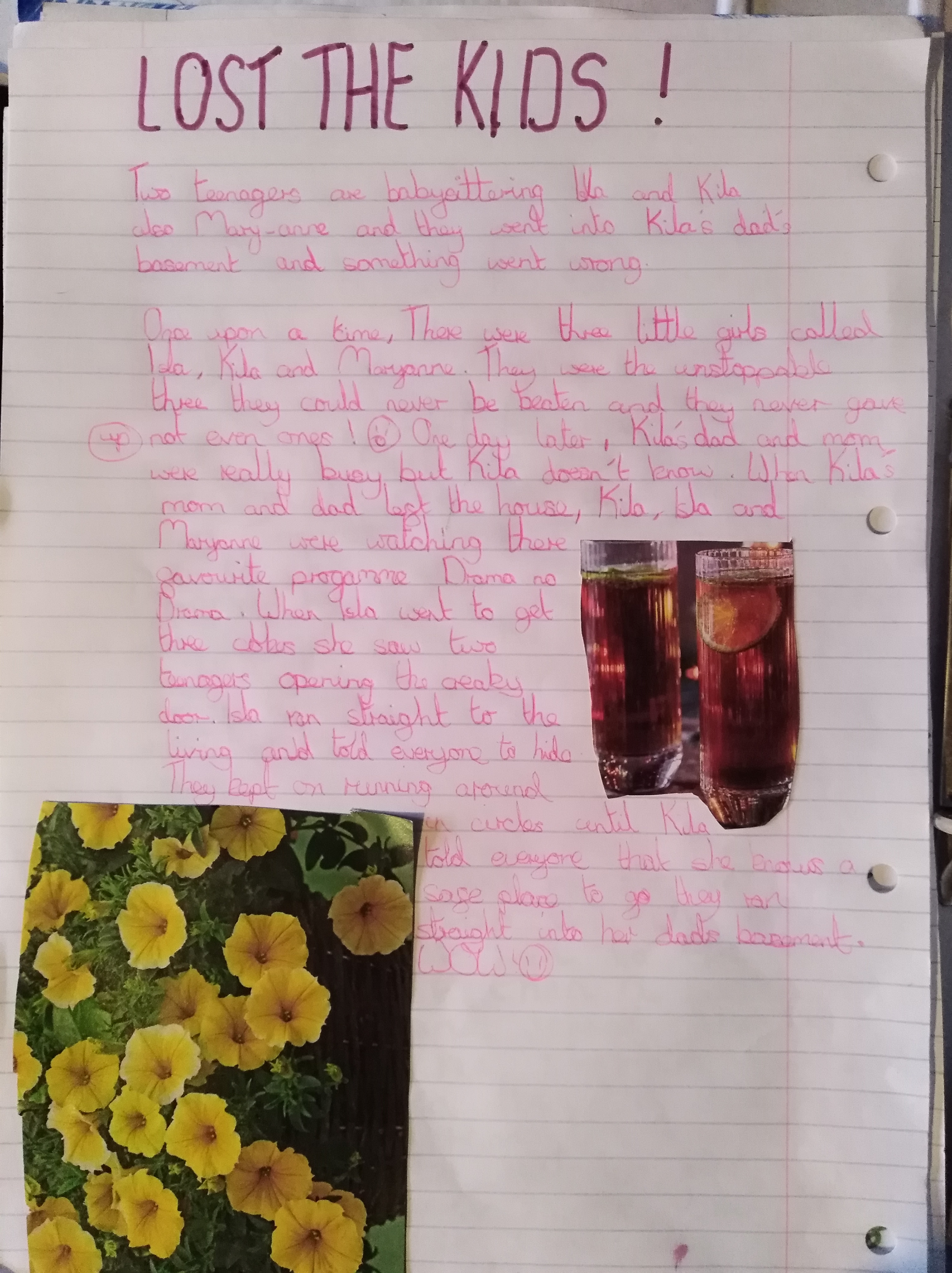
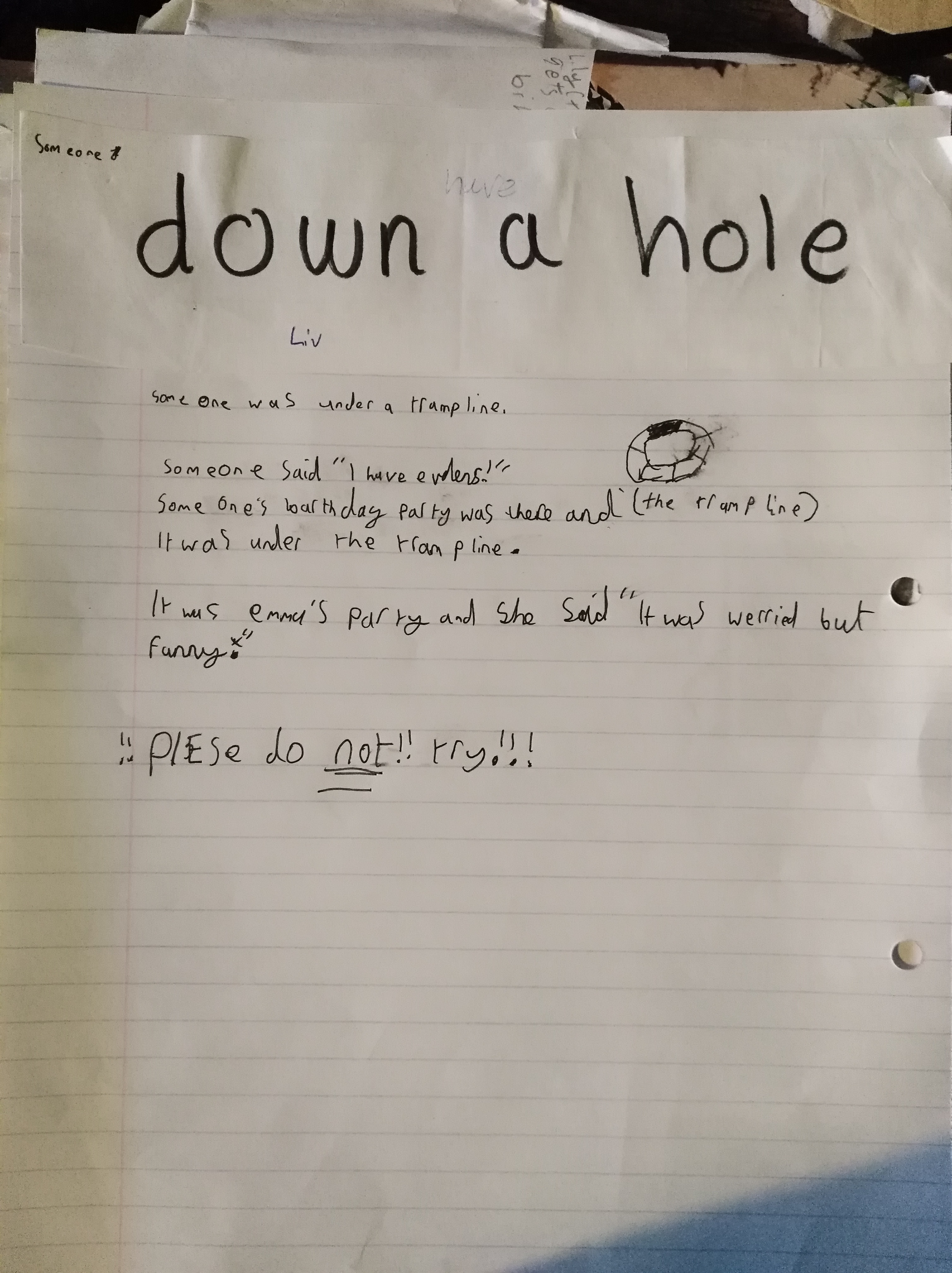
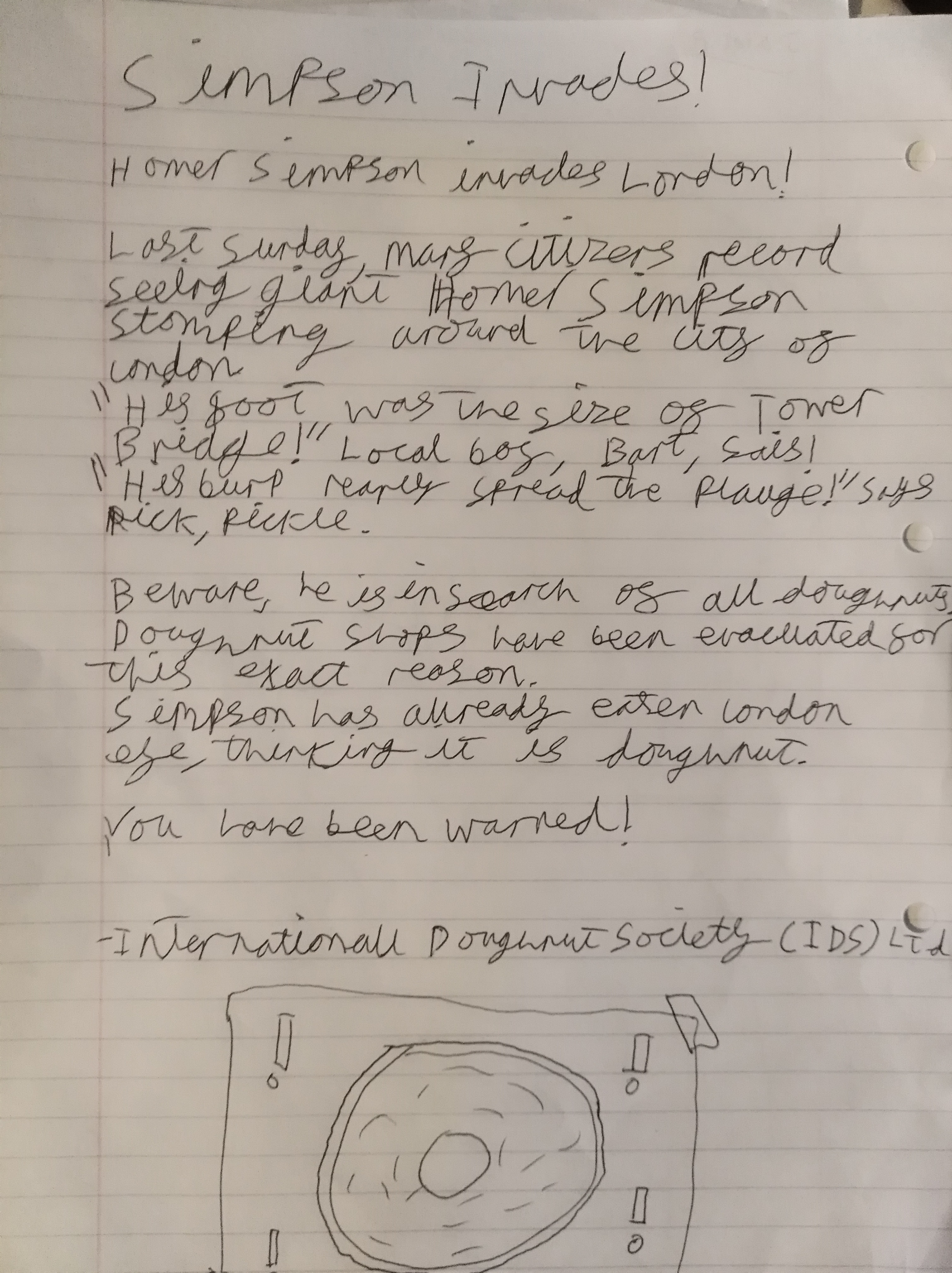
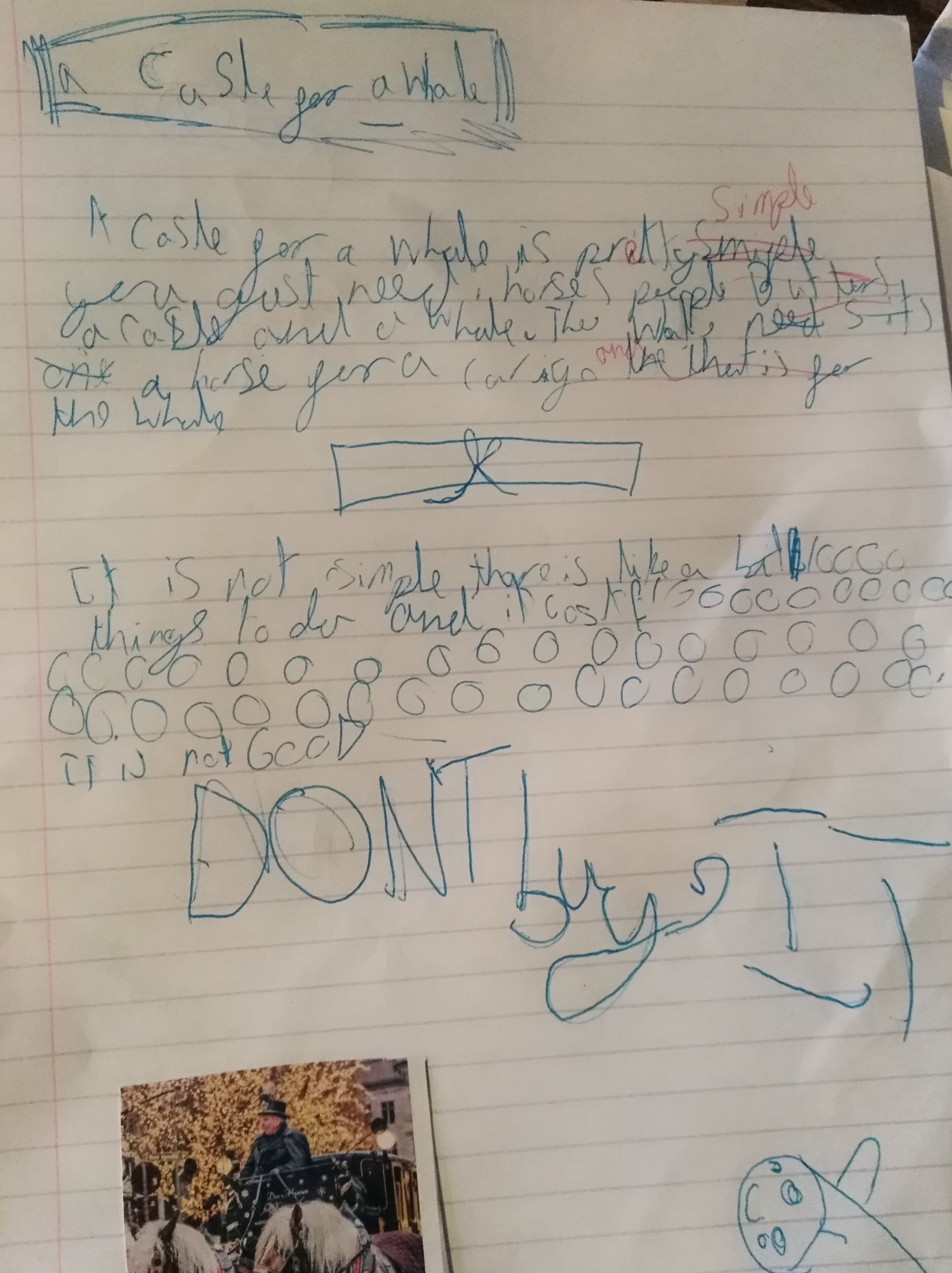
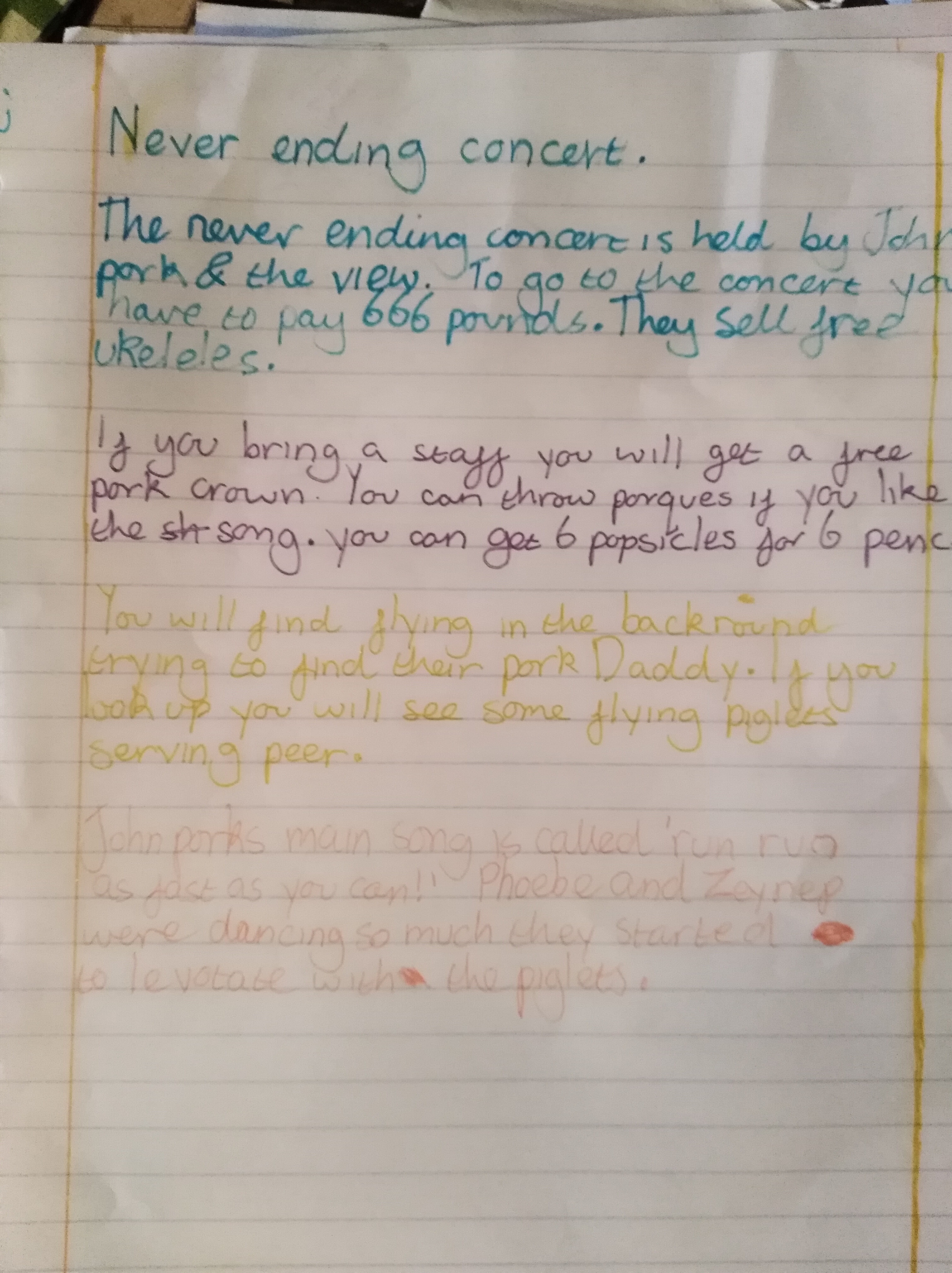
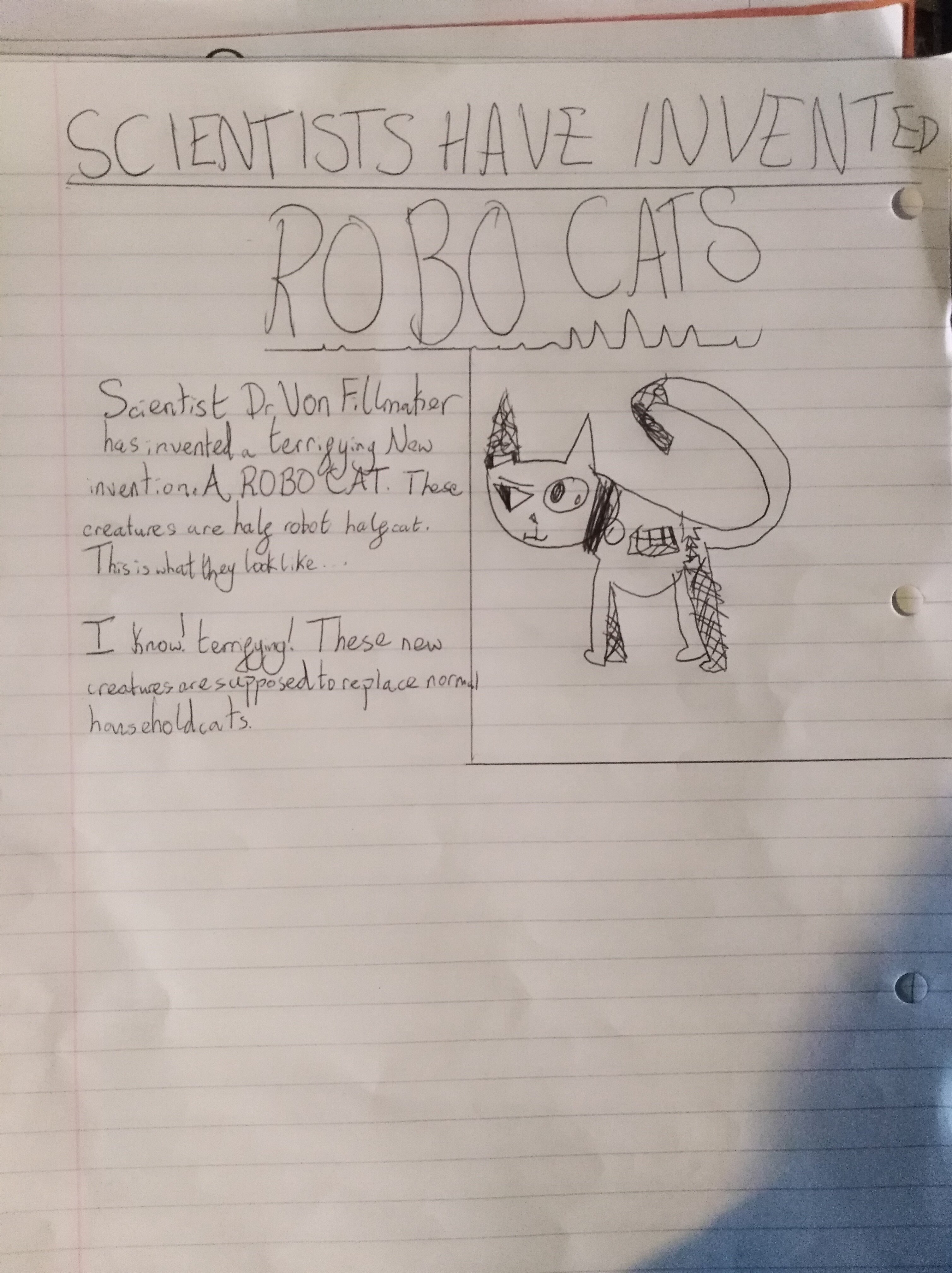
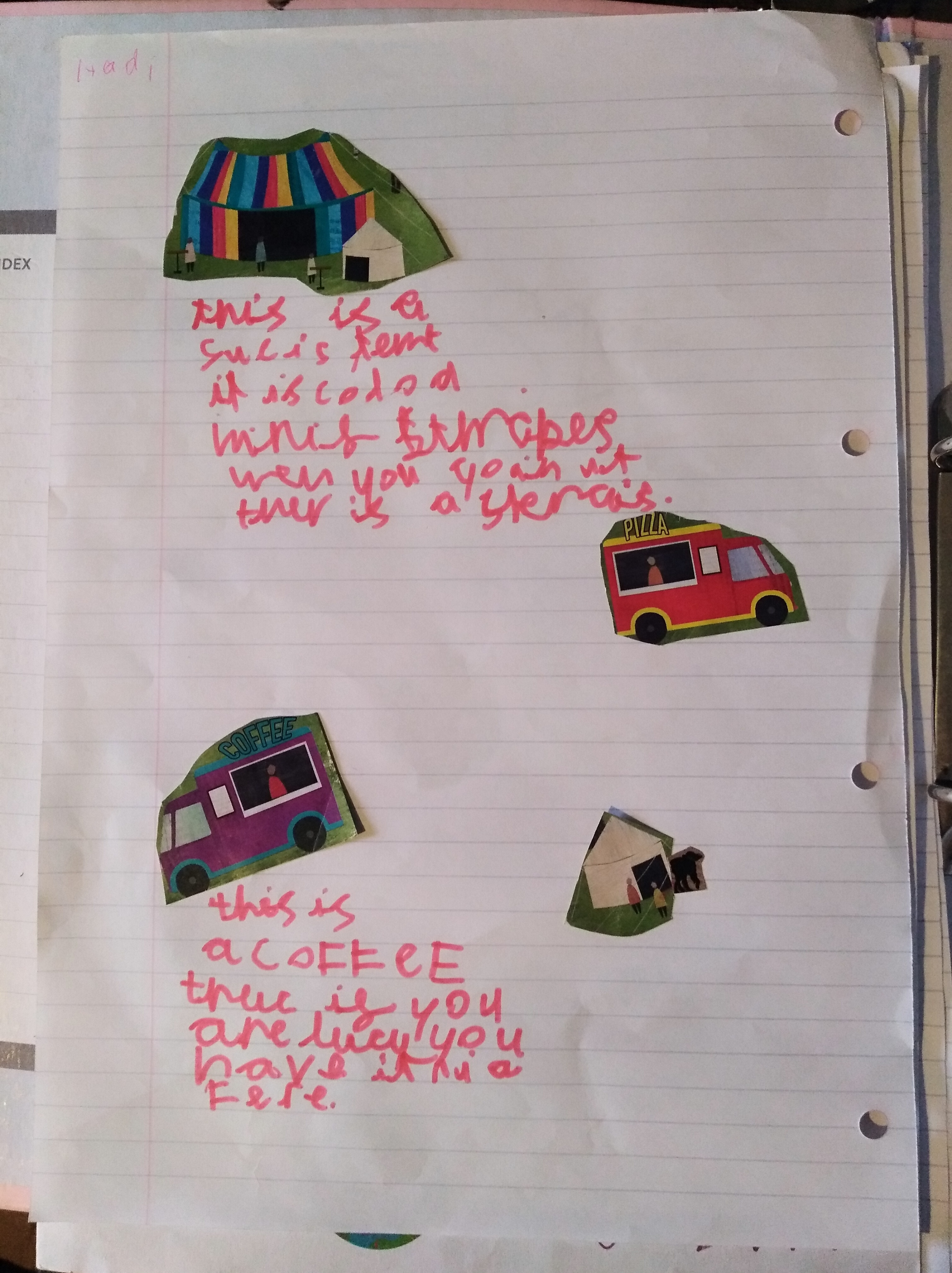
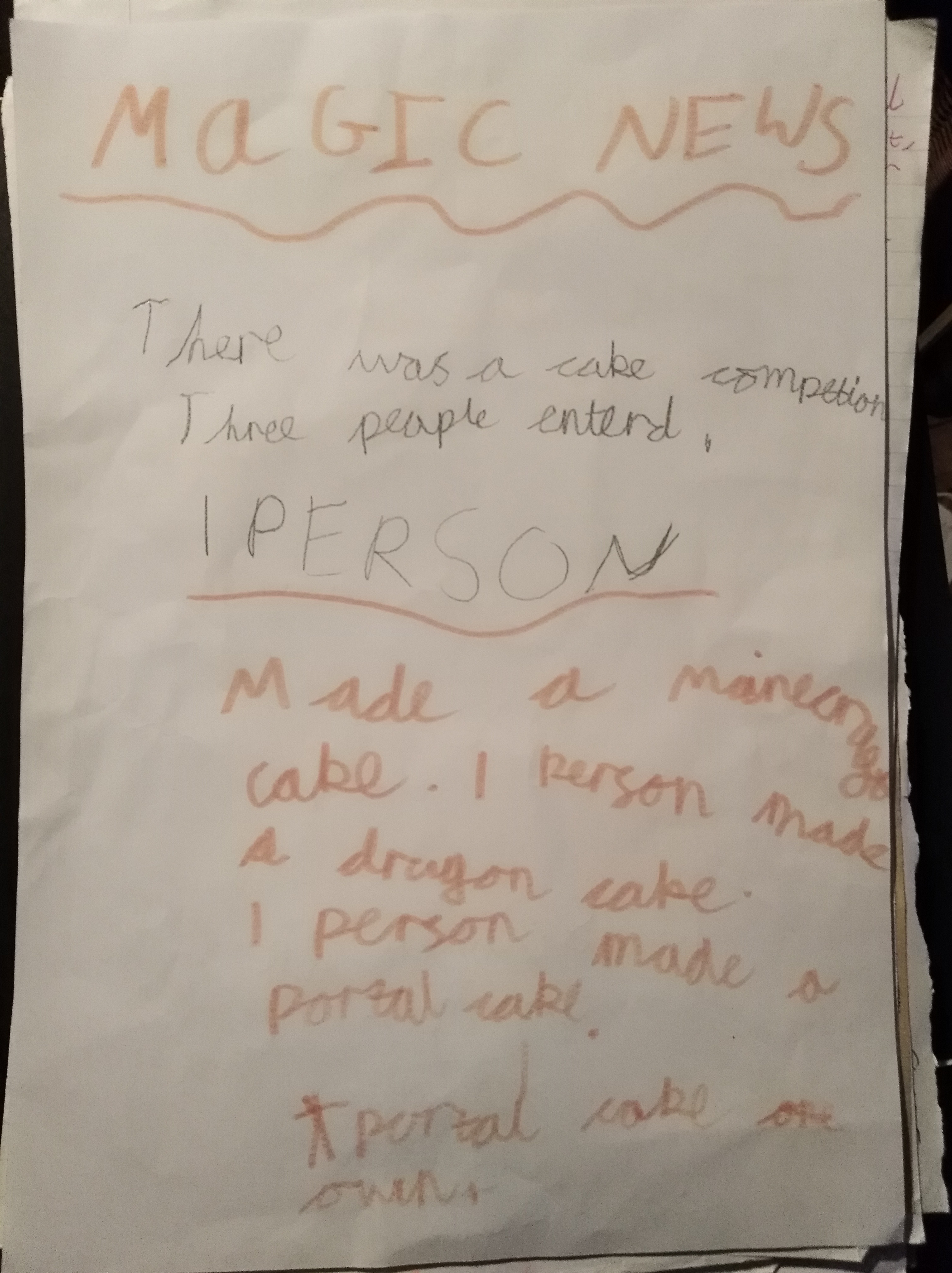
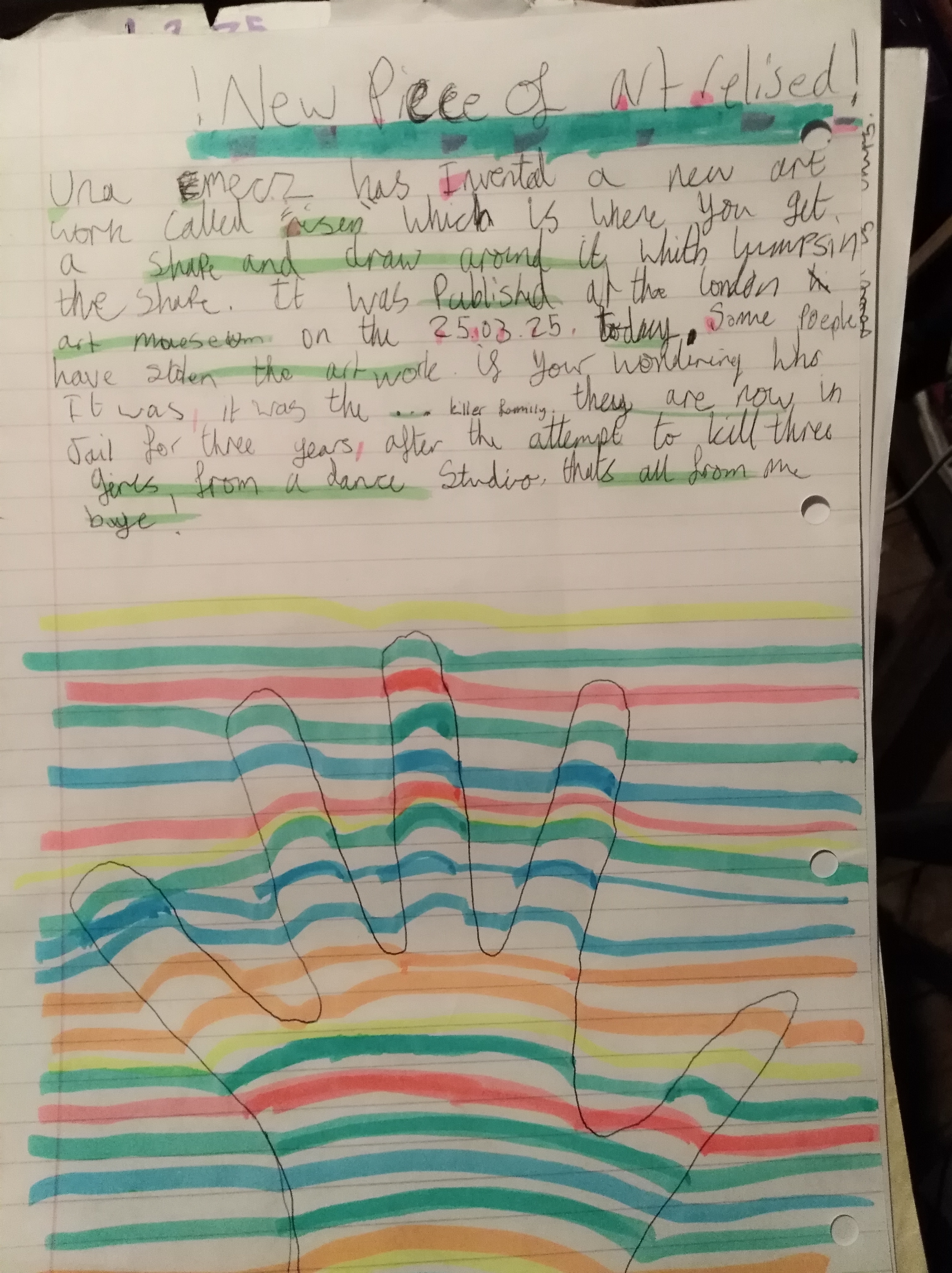
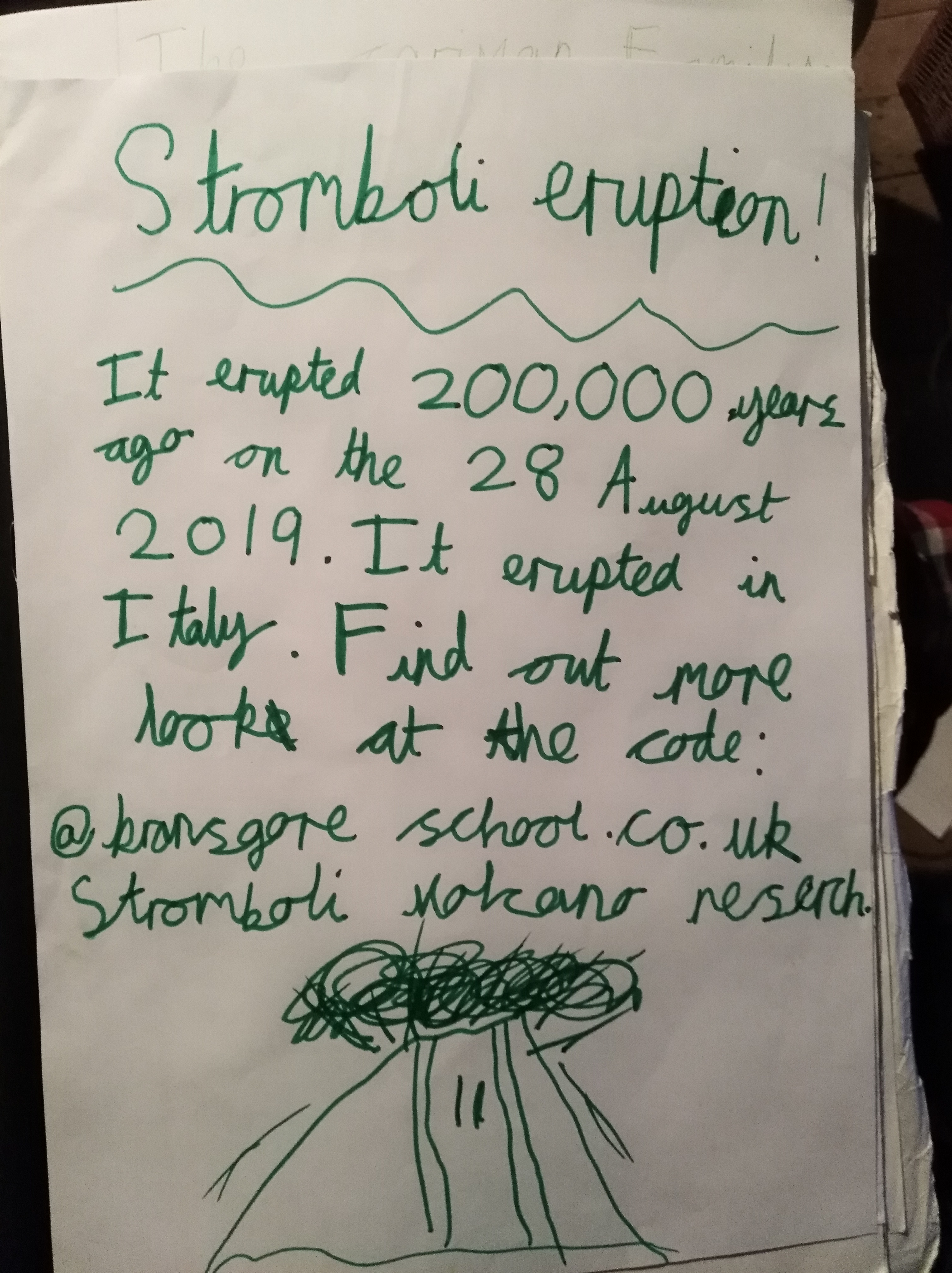
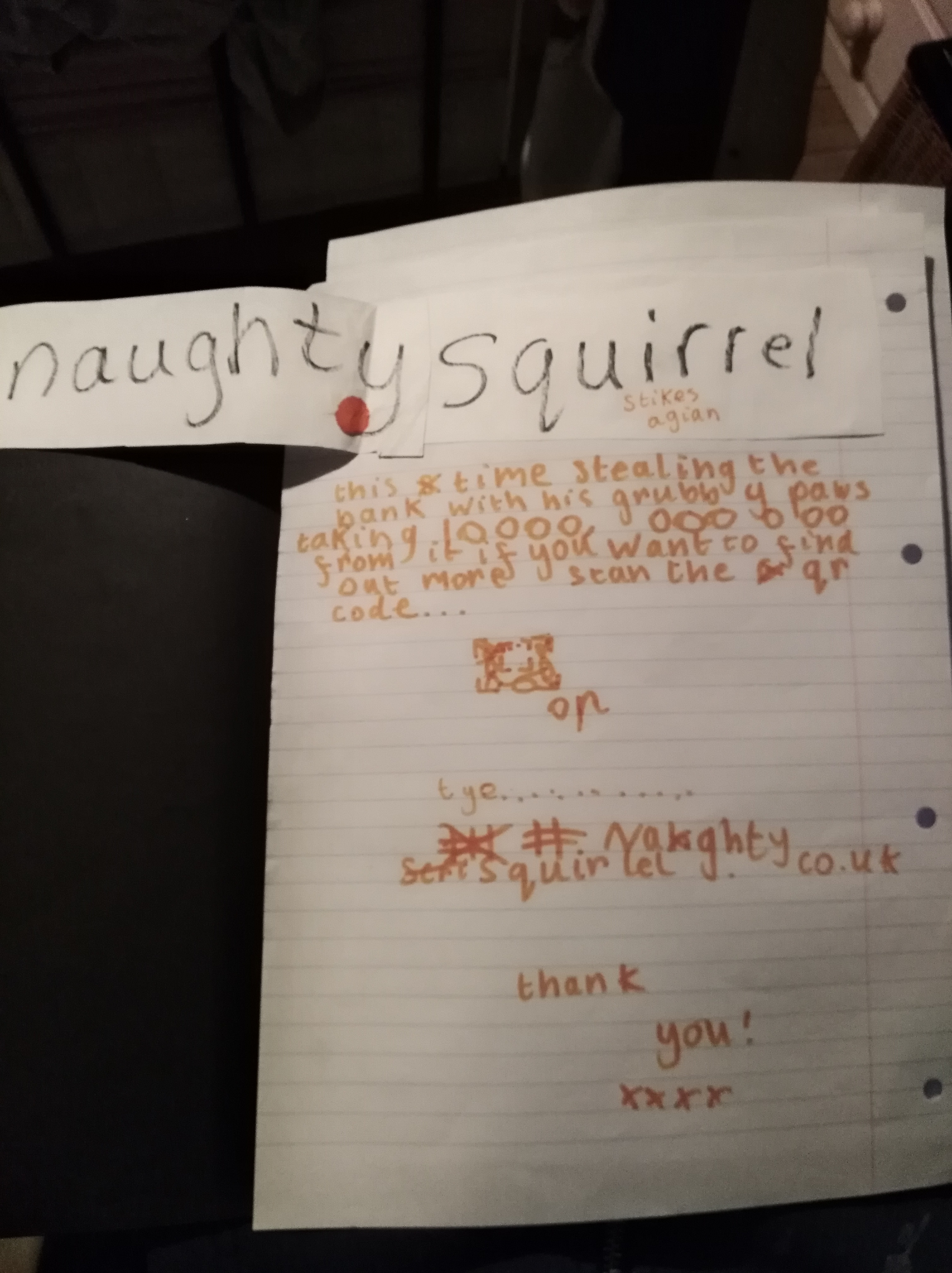
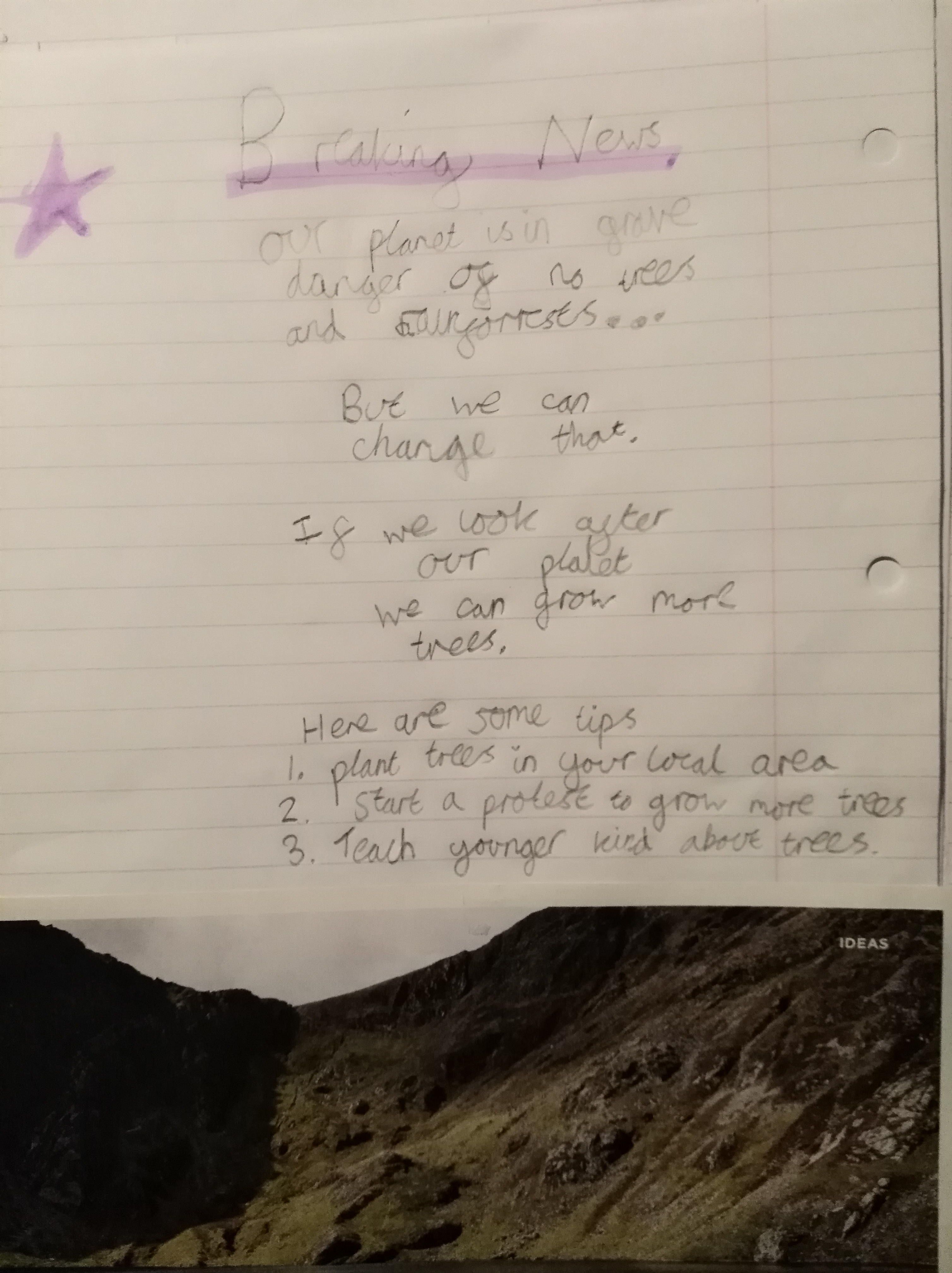
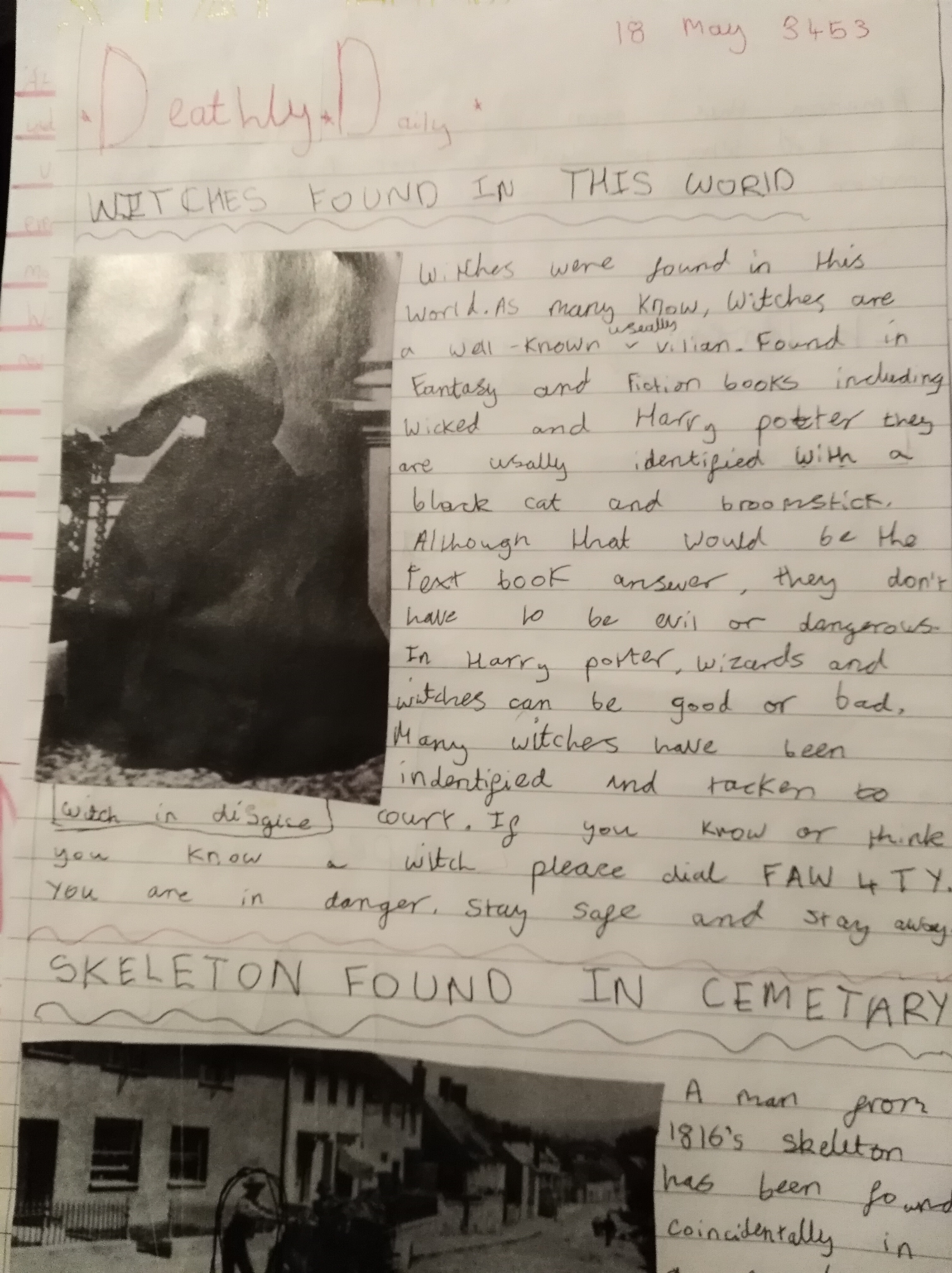
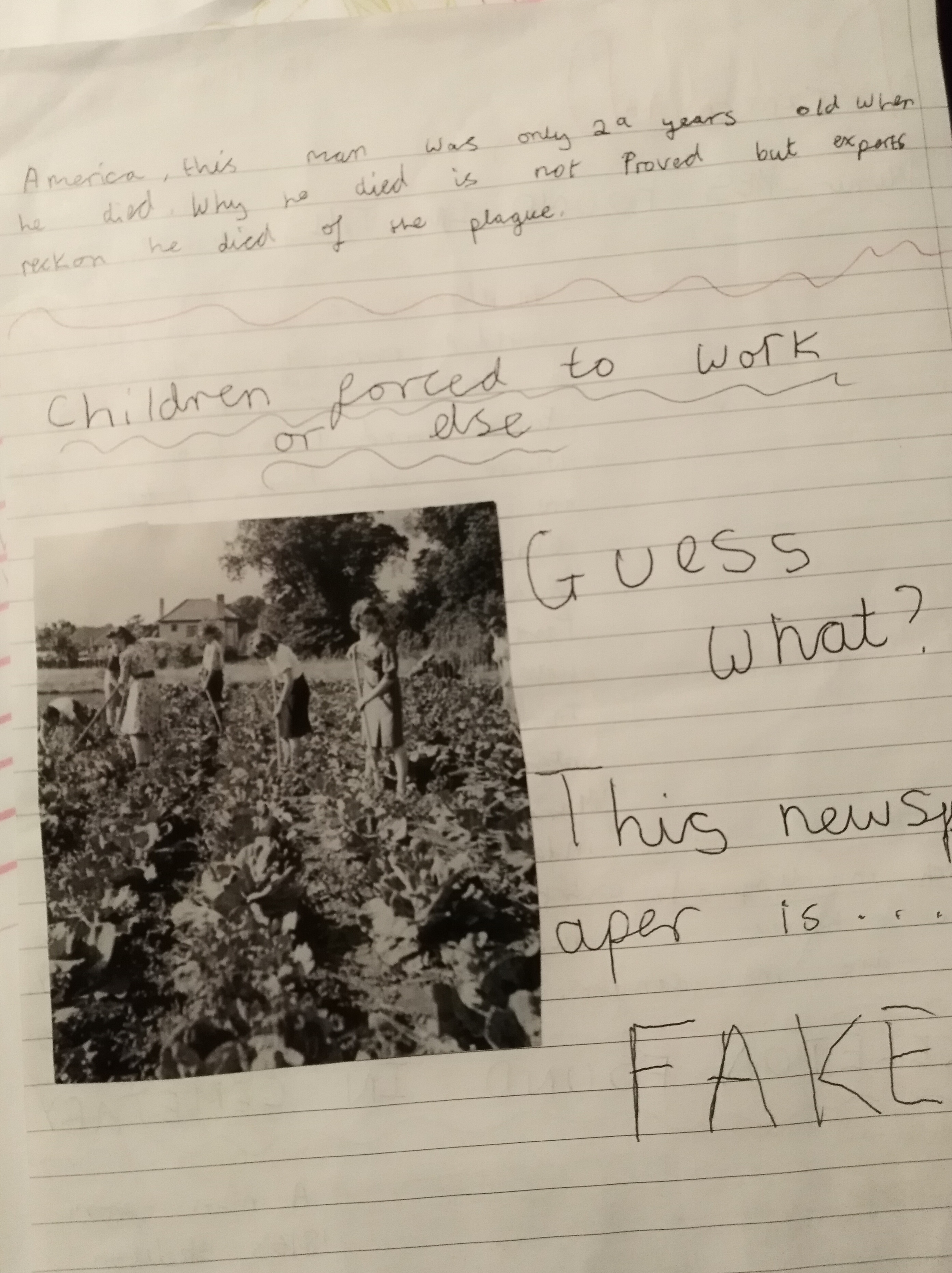
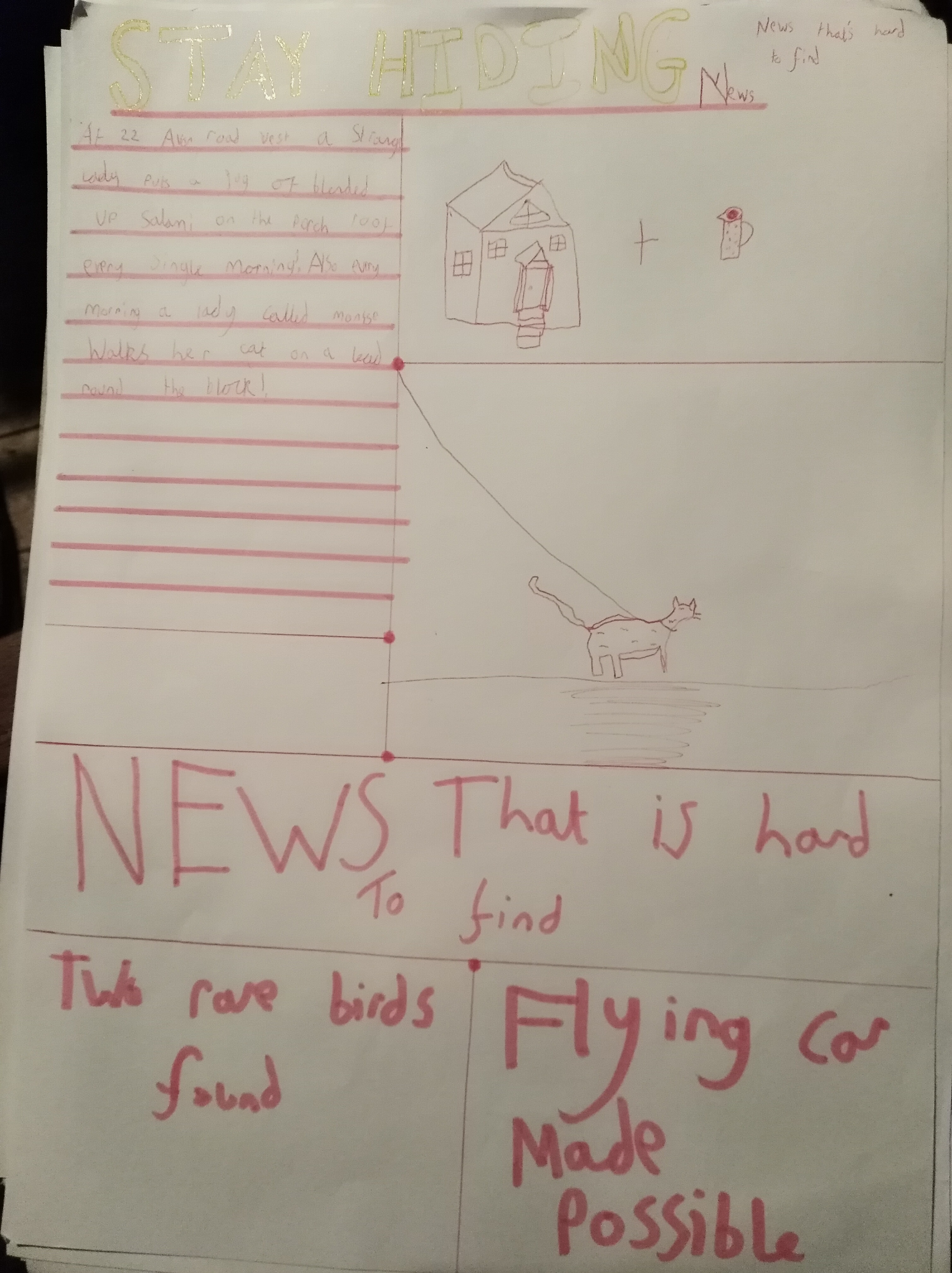
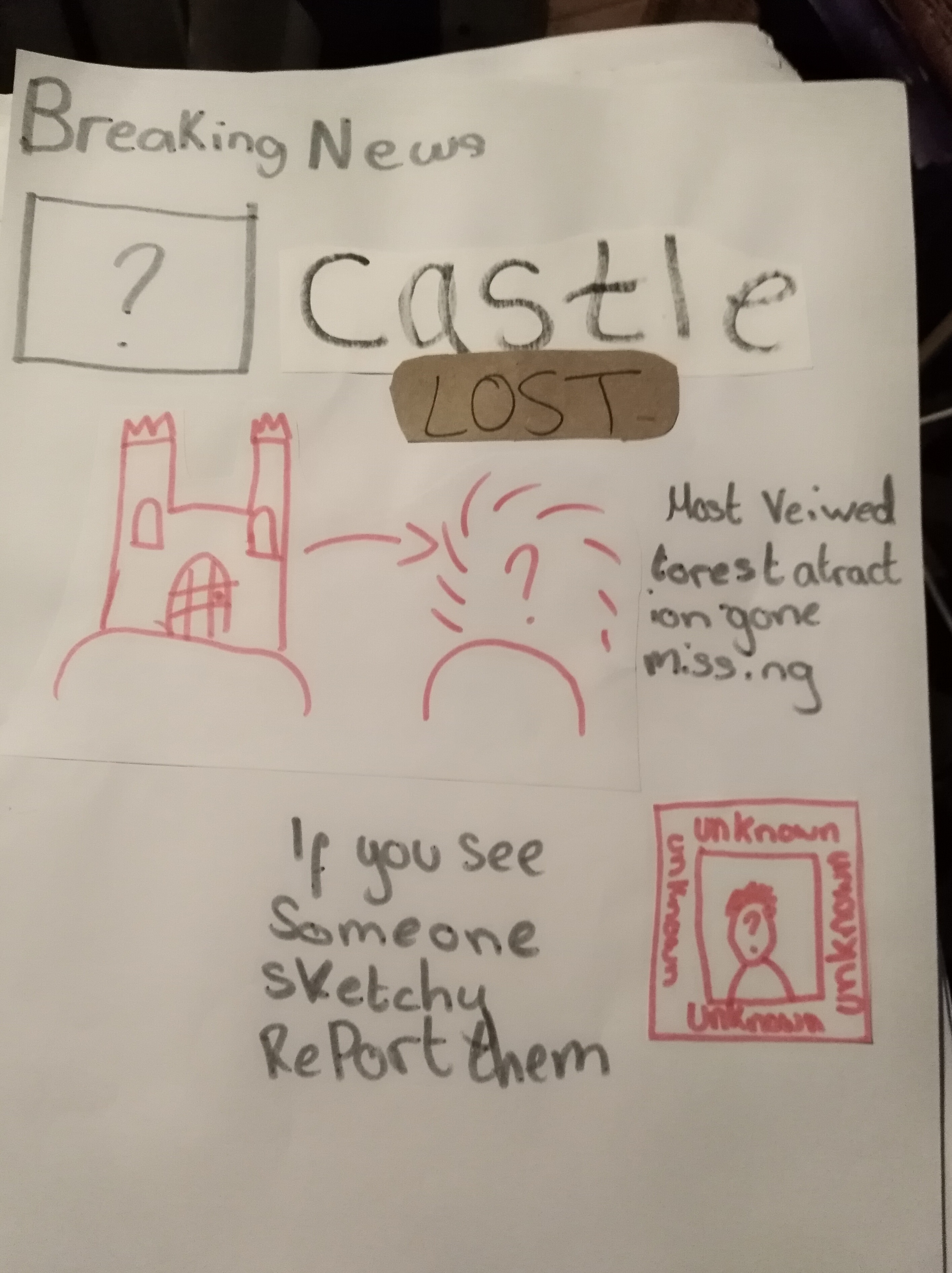
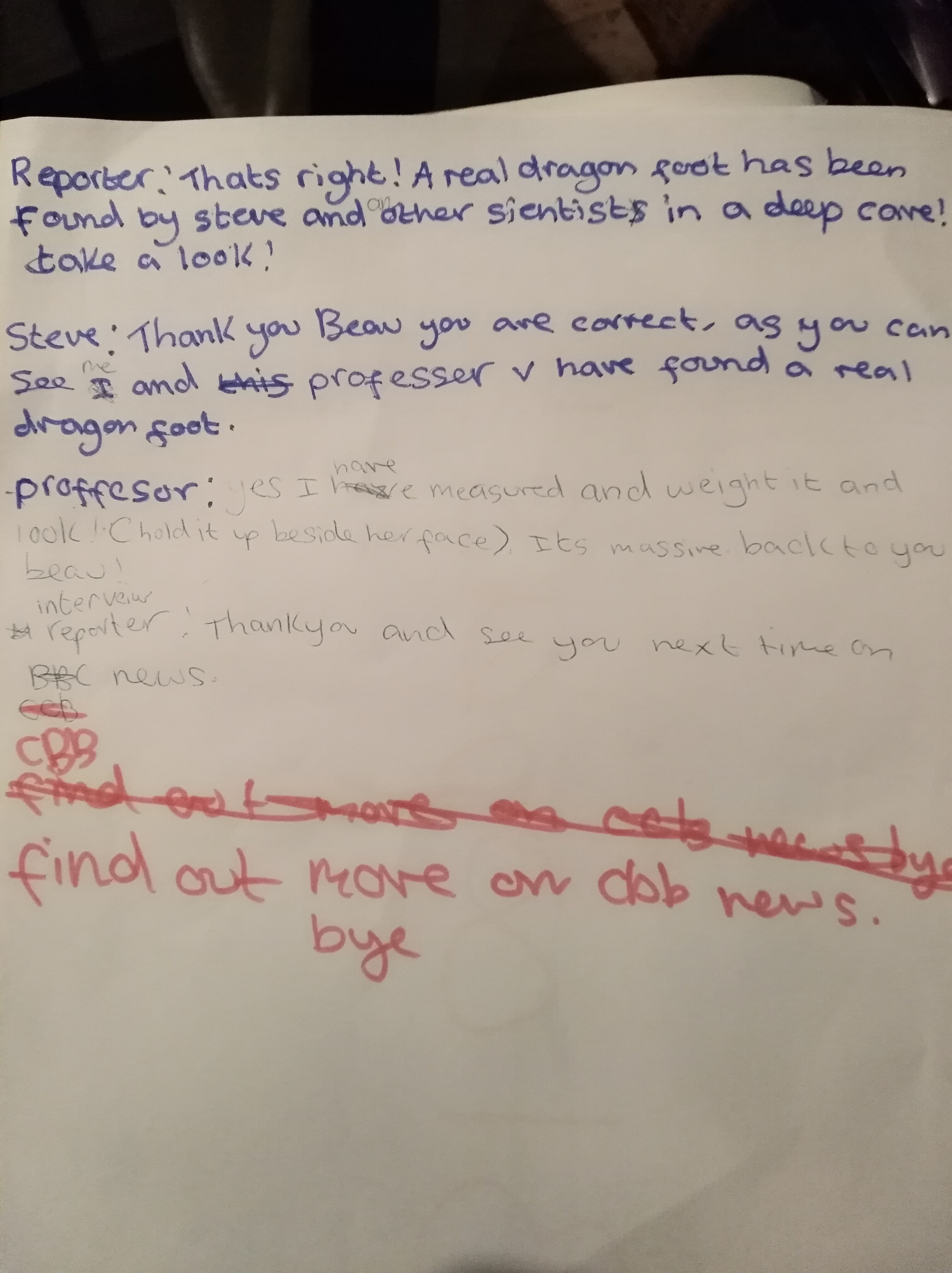
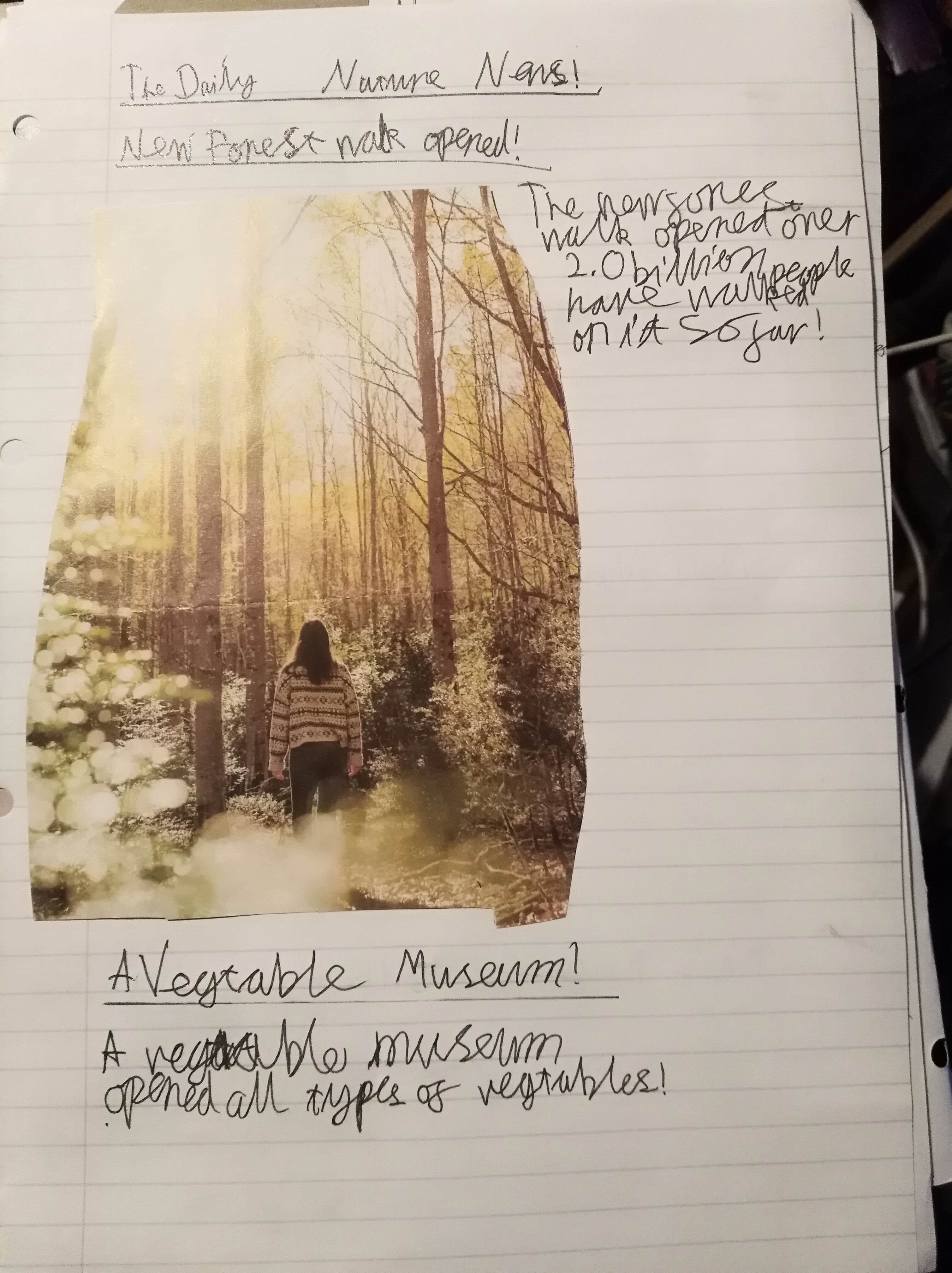
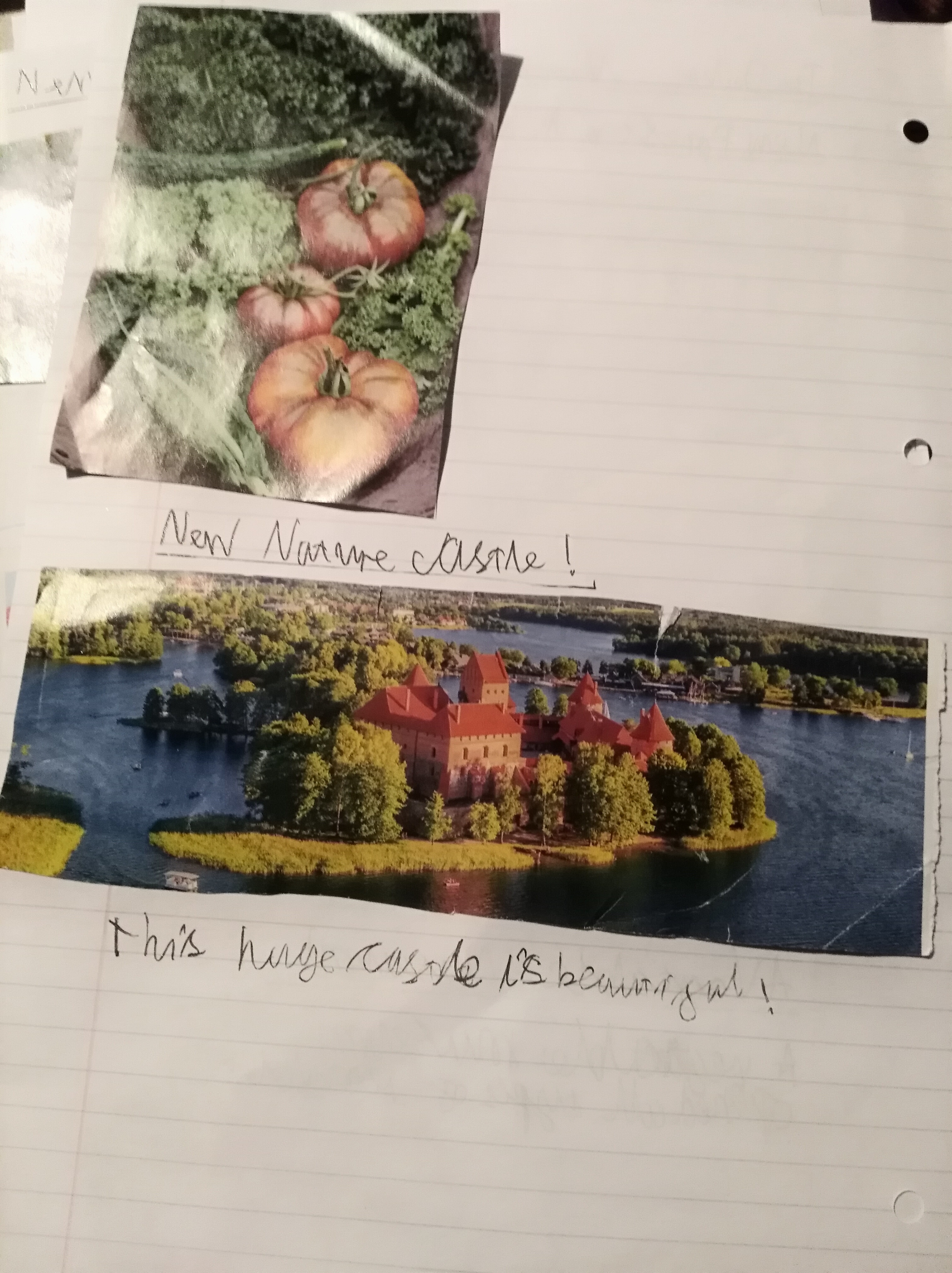
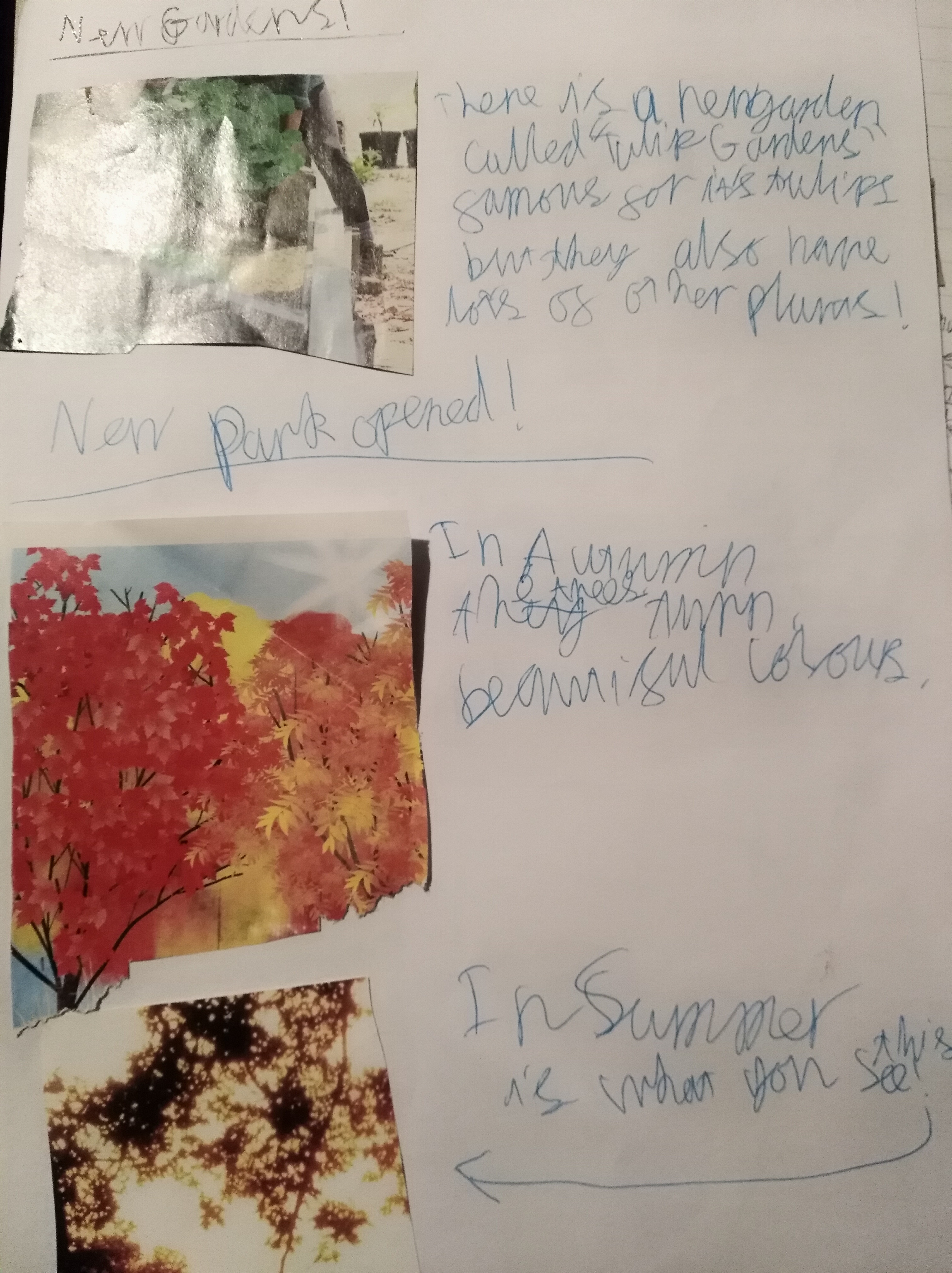
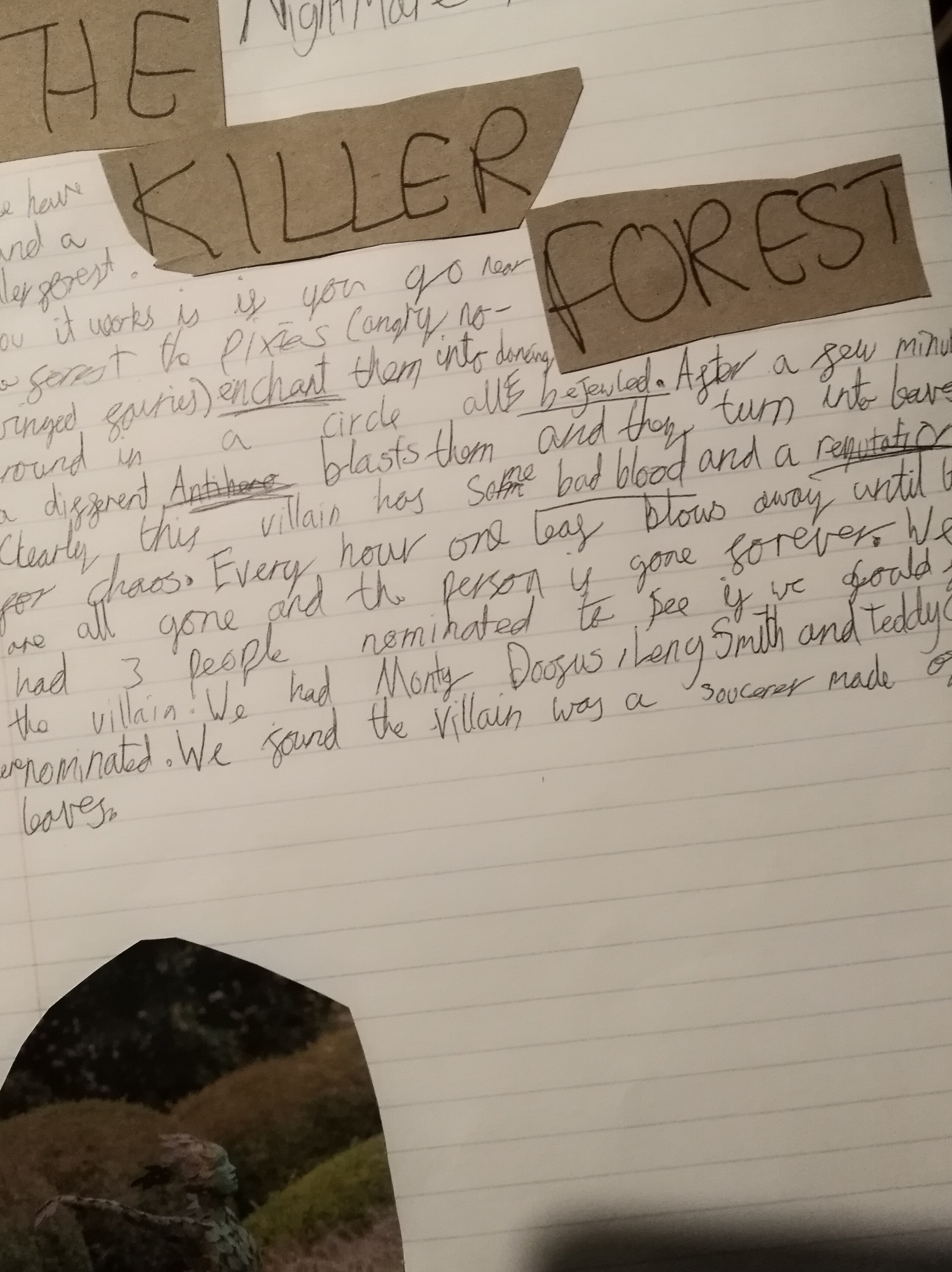
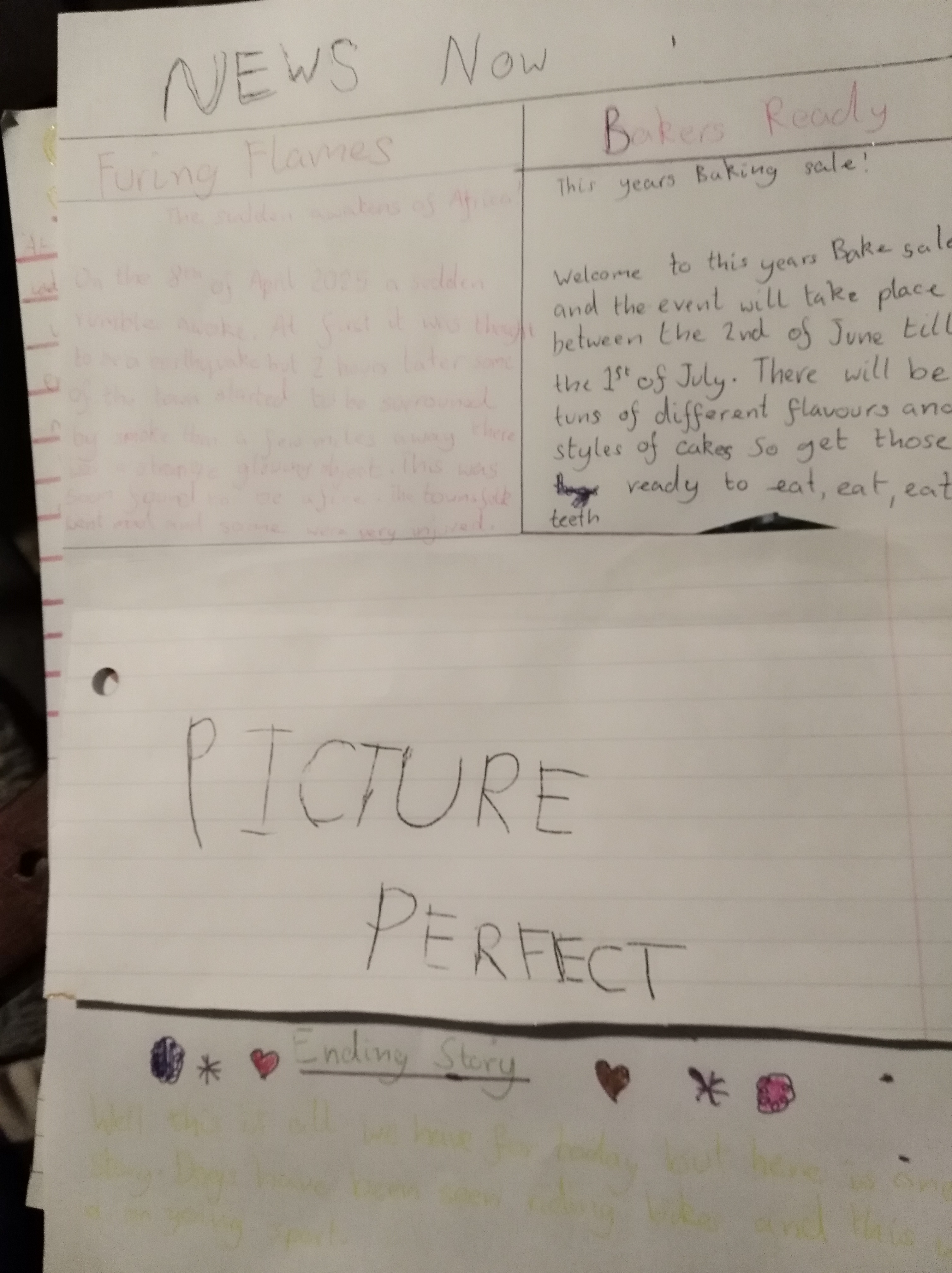
Monday CJS Club: This week we were writing news reports! The children could either choose a picture and then write the news report to go with it, OR they could play around with the headline word choices in order to construct their own wacky newspaper headline. Here are a few examples from the session:
Tuesday Zoom Club: More discussion, tips and plans to tackle writers struggles! In particular we were looking at over-writing and over-editing and not finishing stories. We made great progress in this group today with some new stories pushing forward and some old stories being recharged to try again! Fab work!
Tuesday Bransgore CofE Primary: More news reports using either picture prompts OR crazy headlines! Here are a few examples!
`
Wednesday
Wednesday 11 plus Zoom Group: Due to holidays/illnesses we only had one young writer in this club today! That was okay though because I got to hear the battle scene piece she wrote from last week’s prompt which was absolutely superb! Battle scenes are tricky to do! There is a lot to think about, a lot of action and danger and emotion, and this was all covered beautifully! She went on to finish the piece and I am hoping it’s one we can publish in our anthology
Wednesday 8-11 Zoom Group: Today the younger group continued their Minecraft stories and made fantastic progress. One was even finished, so huge congrats to that young writer! Finishing a story is always a big achievement! Well done everyone!
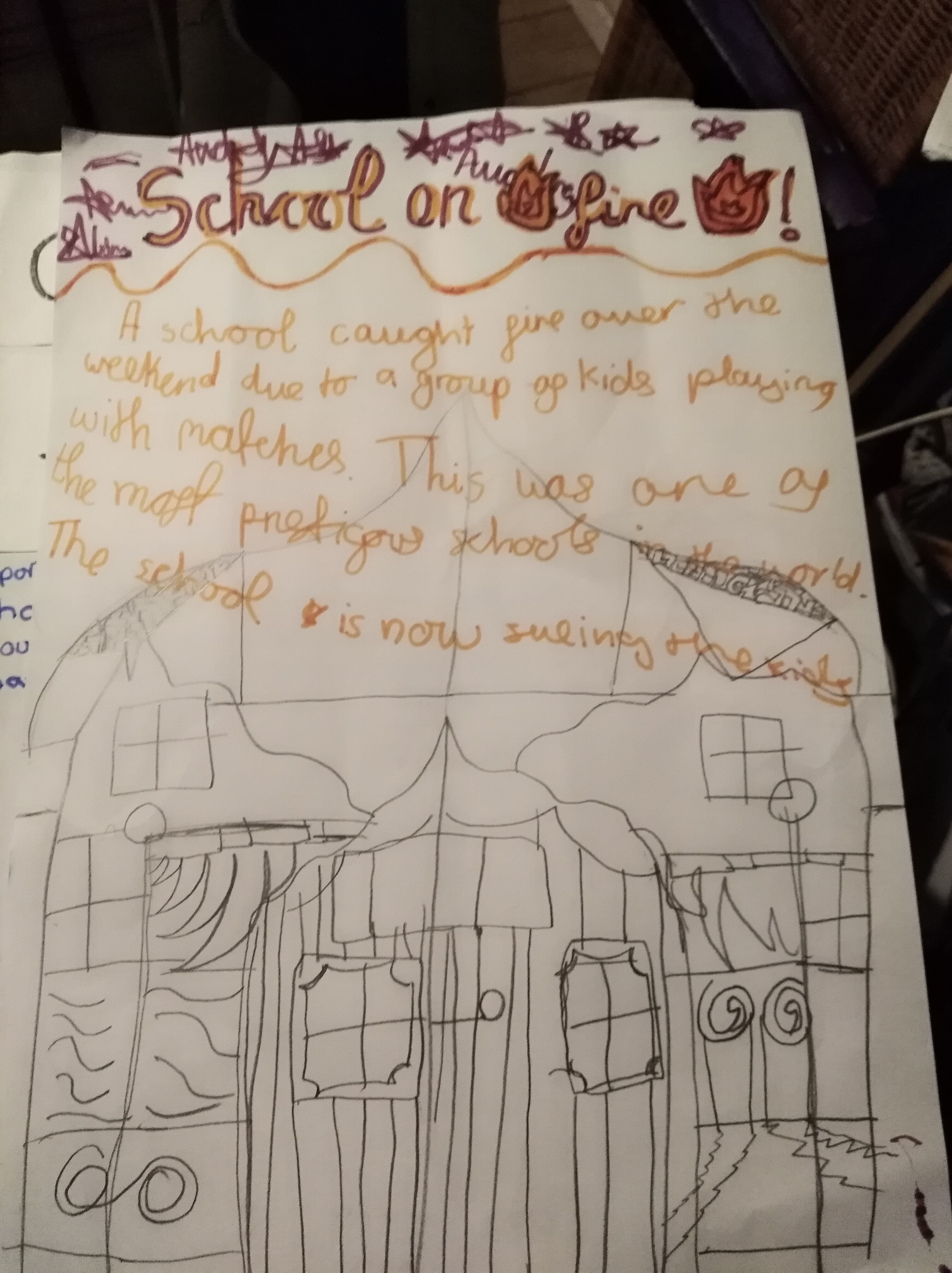
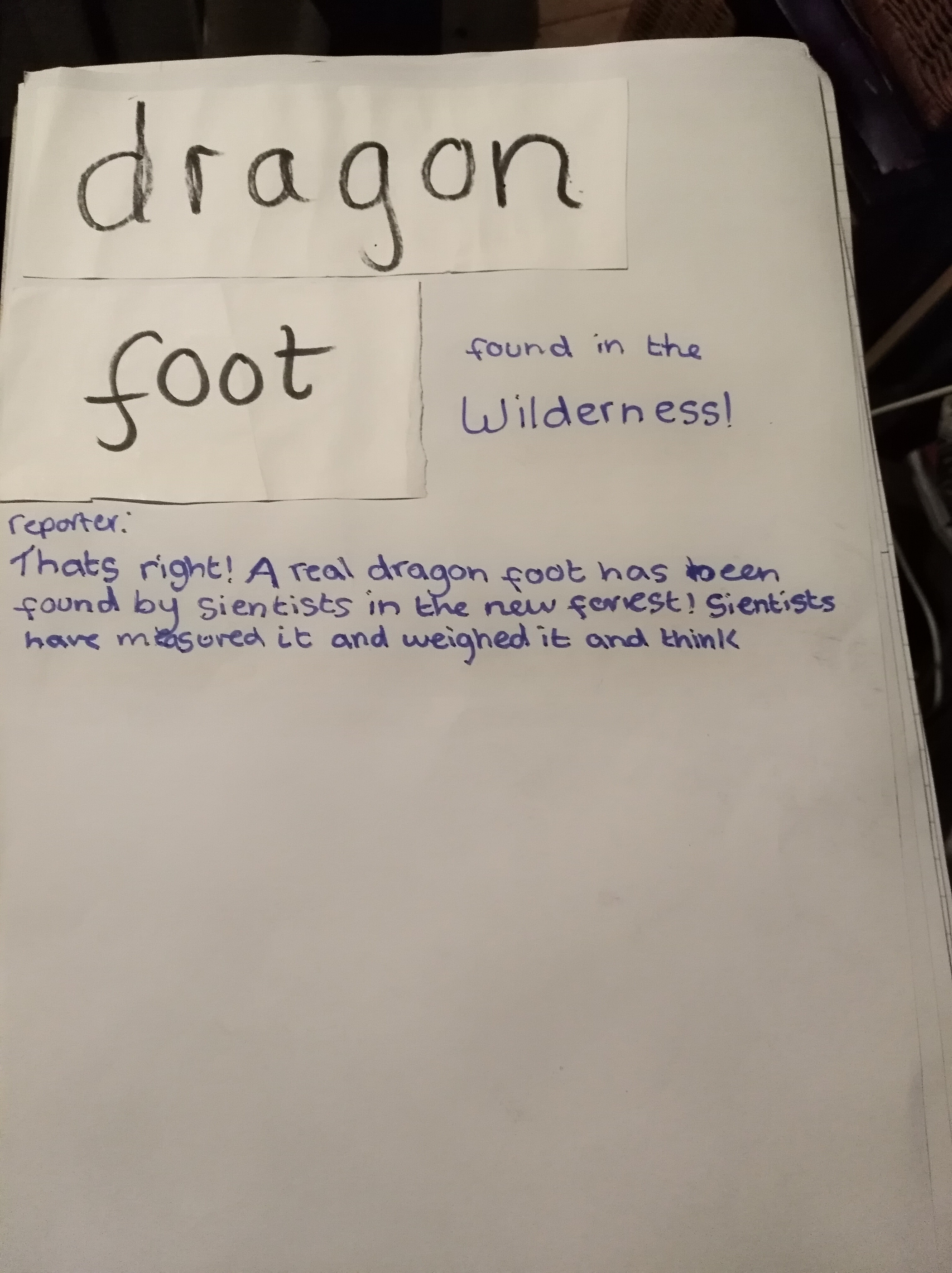
Wednesday CJS Club: This group were working on news reports today and the responses were fantastic and incredibly imaginative. Here are some examples:
What did we get up to this week? Different storytelling formats for Zoom clubs and junk journals for the school kids!
Welcome parents, carers and young writers. Every week I will post here what we have been up to in writing clubs. The clubs are categorised by day so if your child attends a Tuesday club, for example, simply scroll down to Tuesday to see what we covered this week!
Monday
Monday Zoom Club: It was lovely to be back together after a week off for half-term and we got stuck straight into a new topic. Different ways to tell stories! We all know about choosing a tense and a point of view, but what about other formats we can use to tell a story? Such as letters, diaries, blog posts, emails or news reports? We started with a chat about books we’ve read that fall under this category (epistolary stories…) and several members of the group enthusiastically talked about books they loved. I mentioned House of Leaves by Mark Z. Danielewski and a few people suggested Holly Jackson’s Good Girl’s Guide To Murder series. Both great examples! We started today with two options. One: pick a photo prompt and write the news story to go with it Two: write a news story to narrate a part of your own on-going story
We had some fantastic responses to this and everyone was happy to share, which was lovely. Well done everyone!
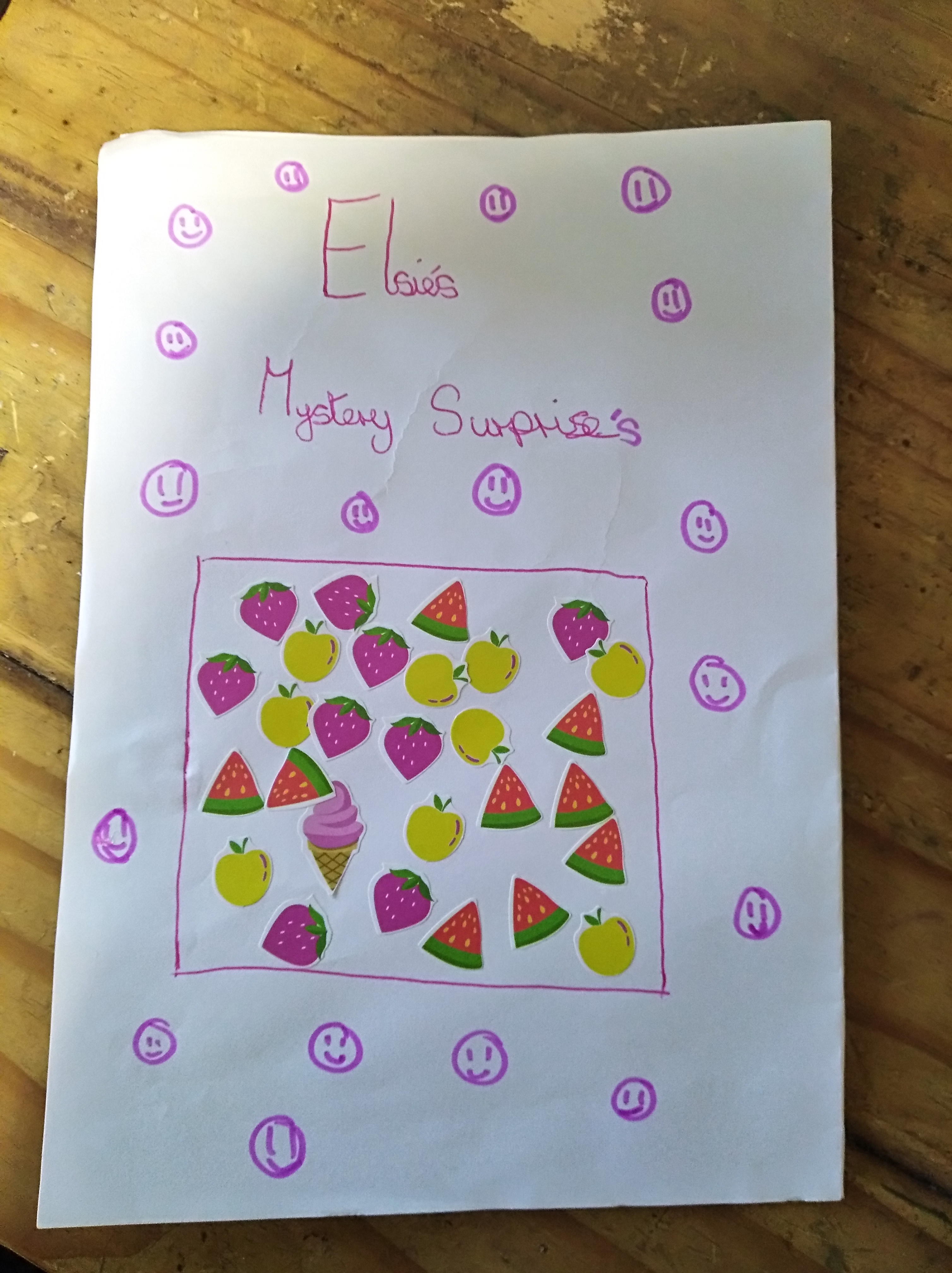
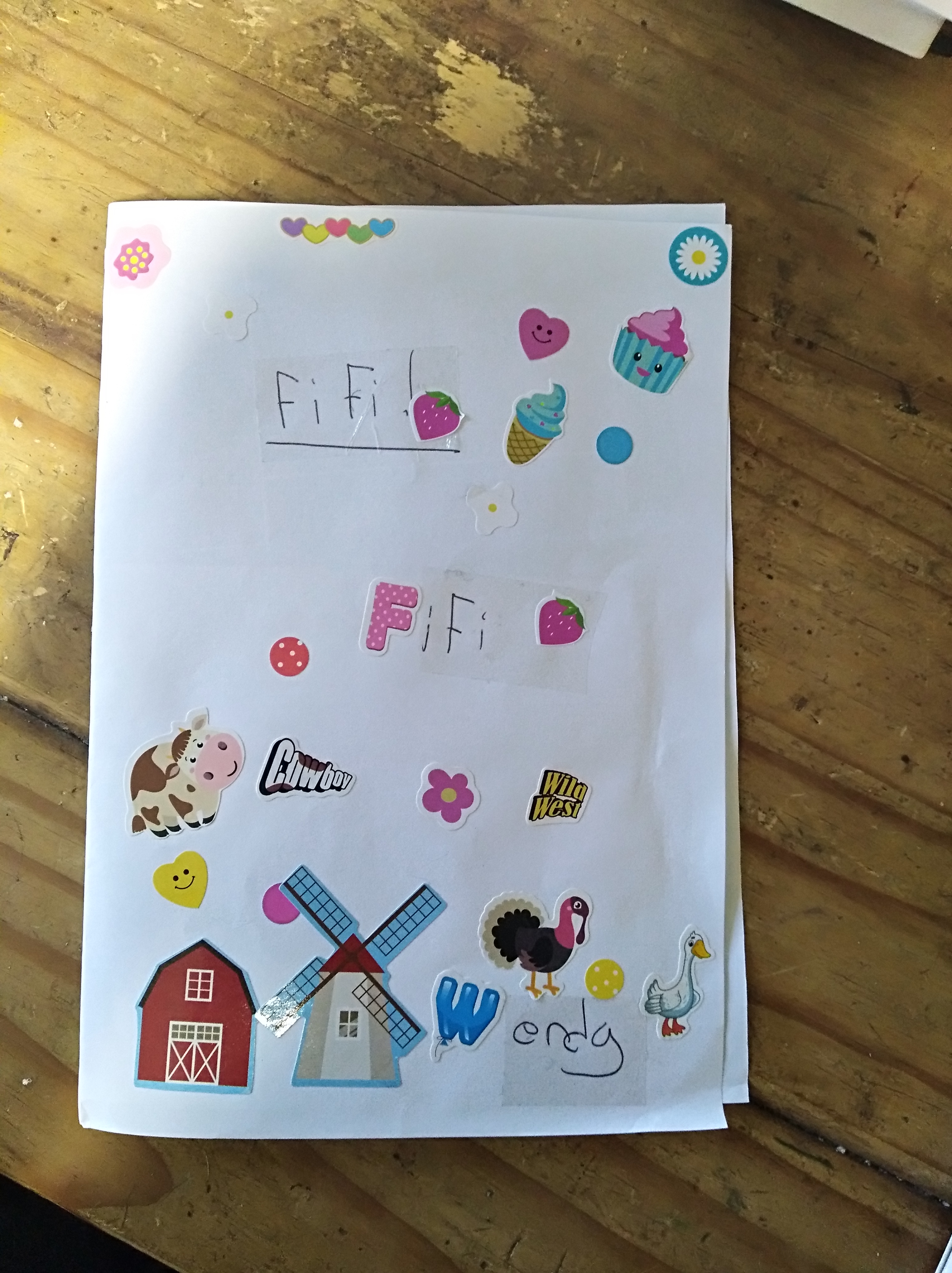
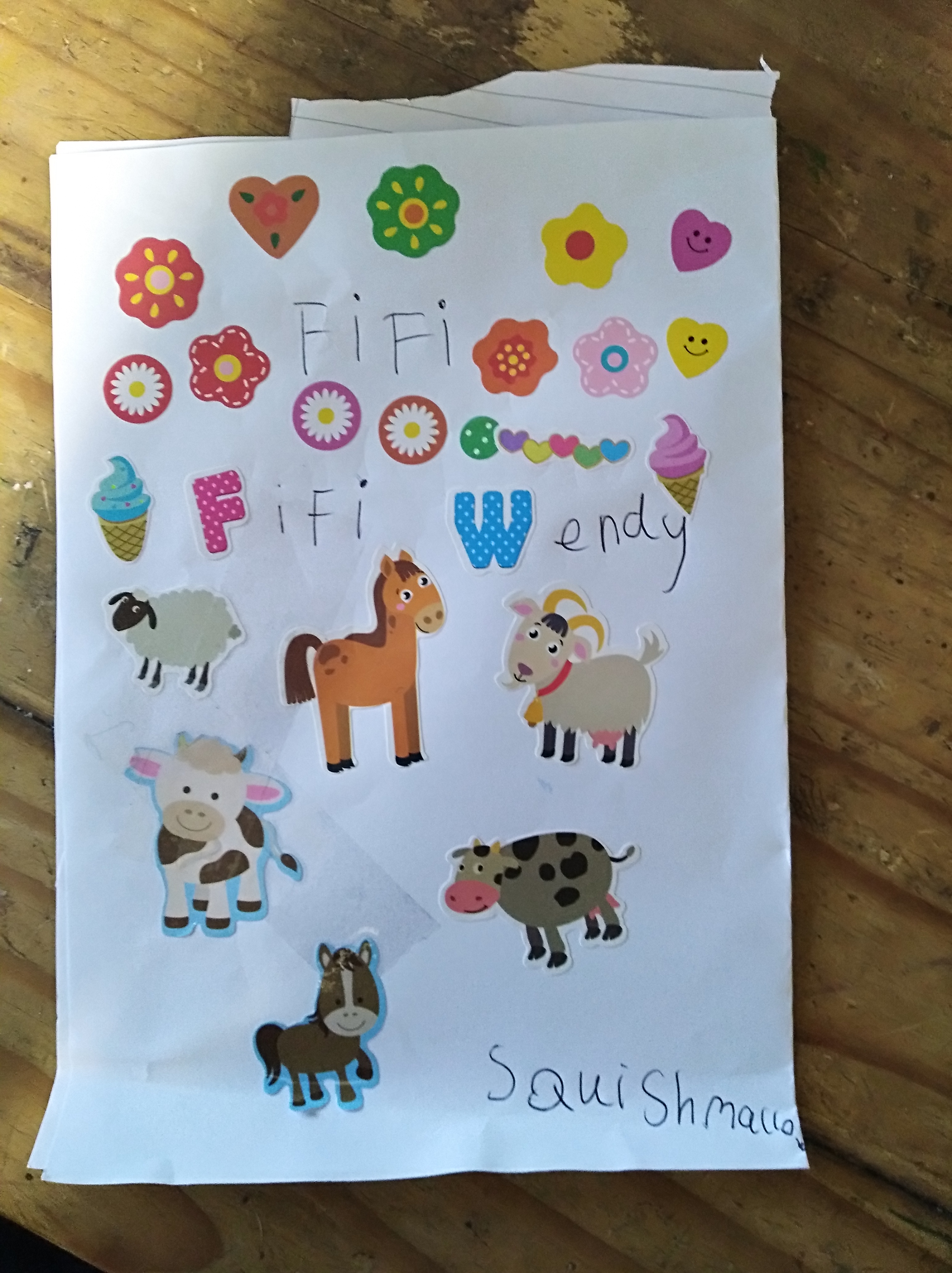
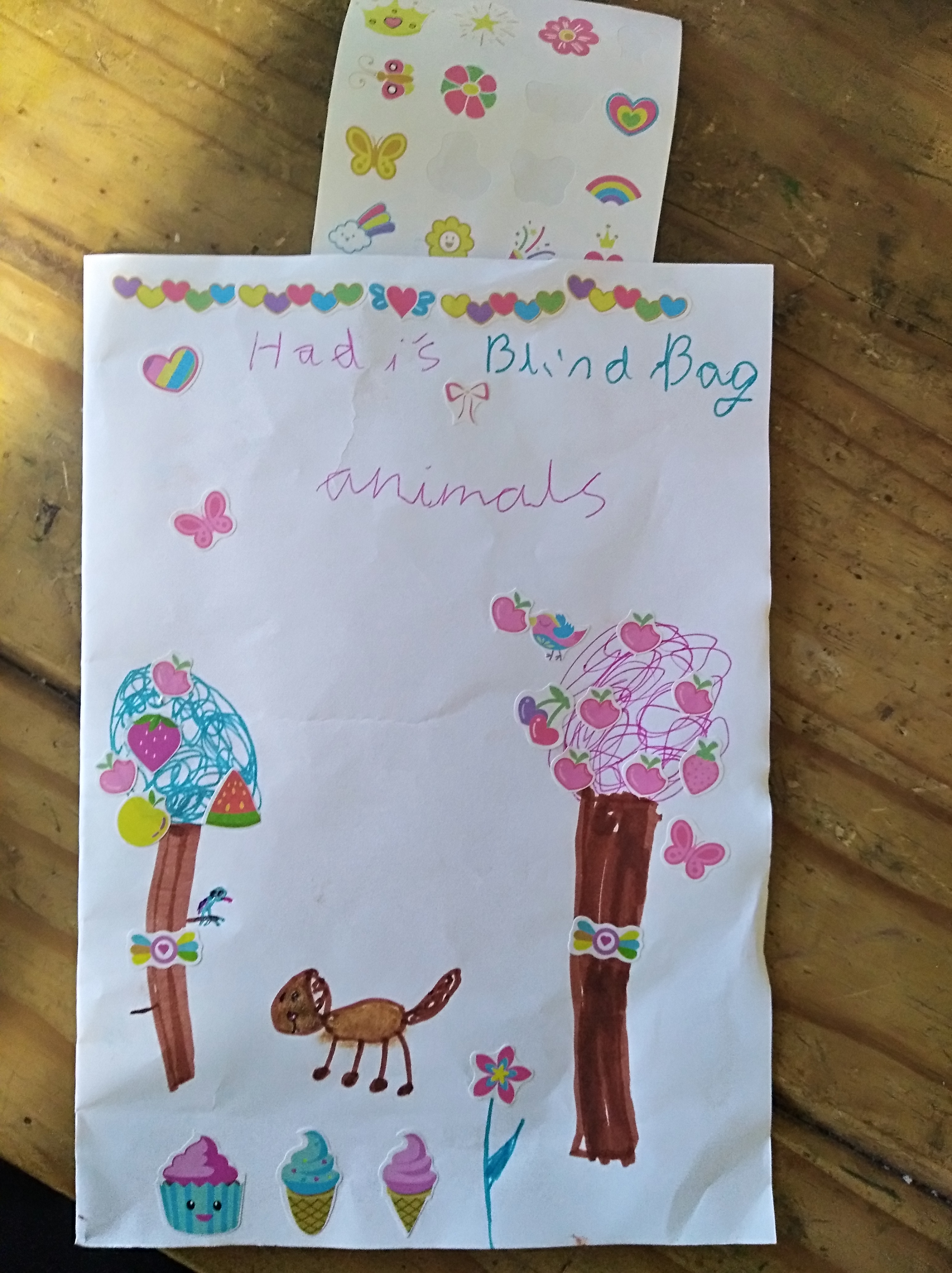
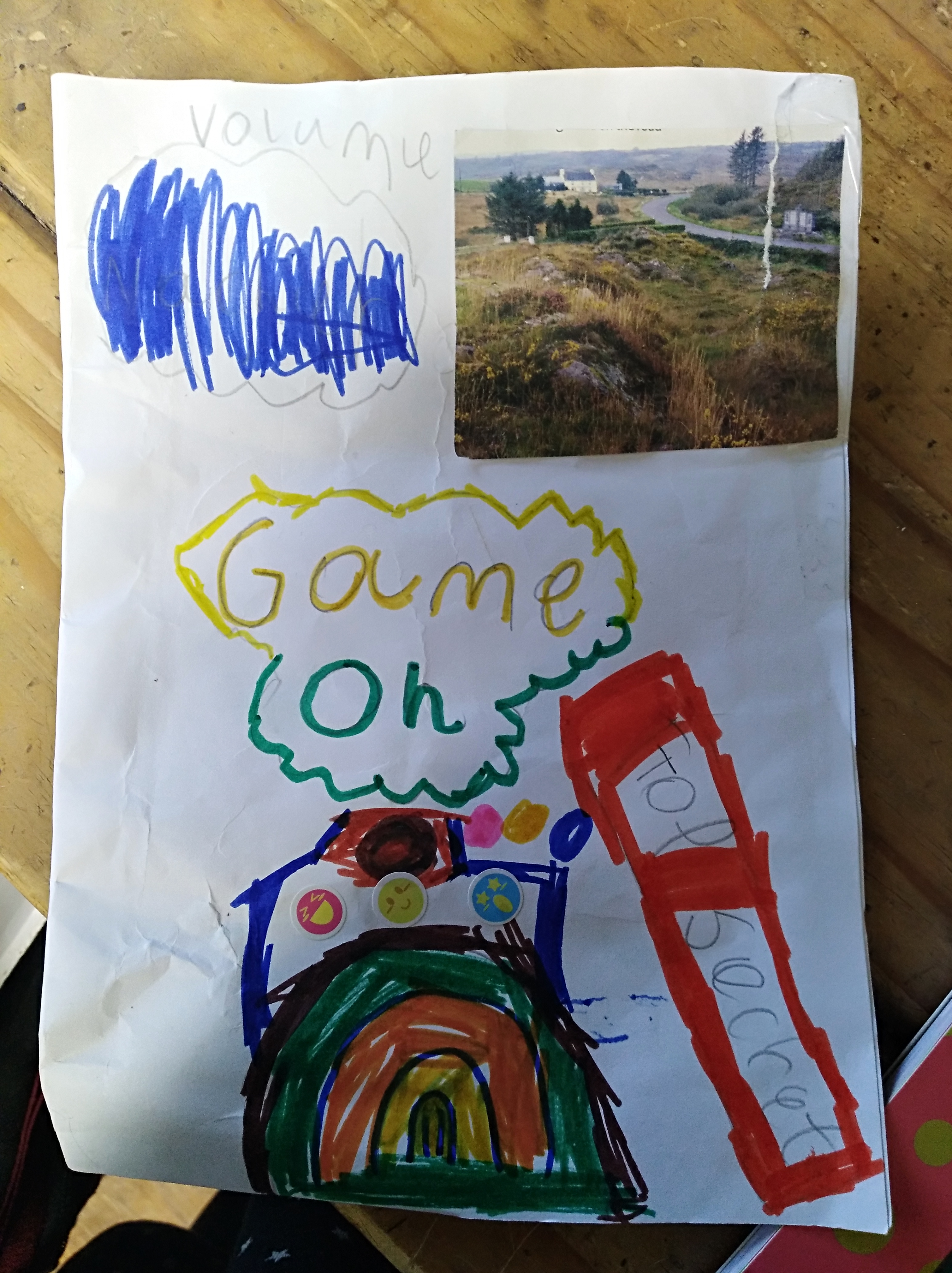
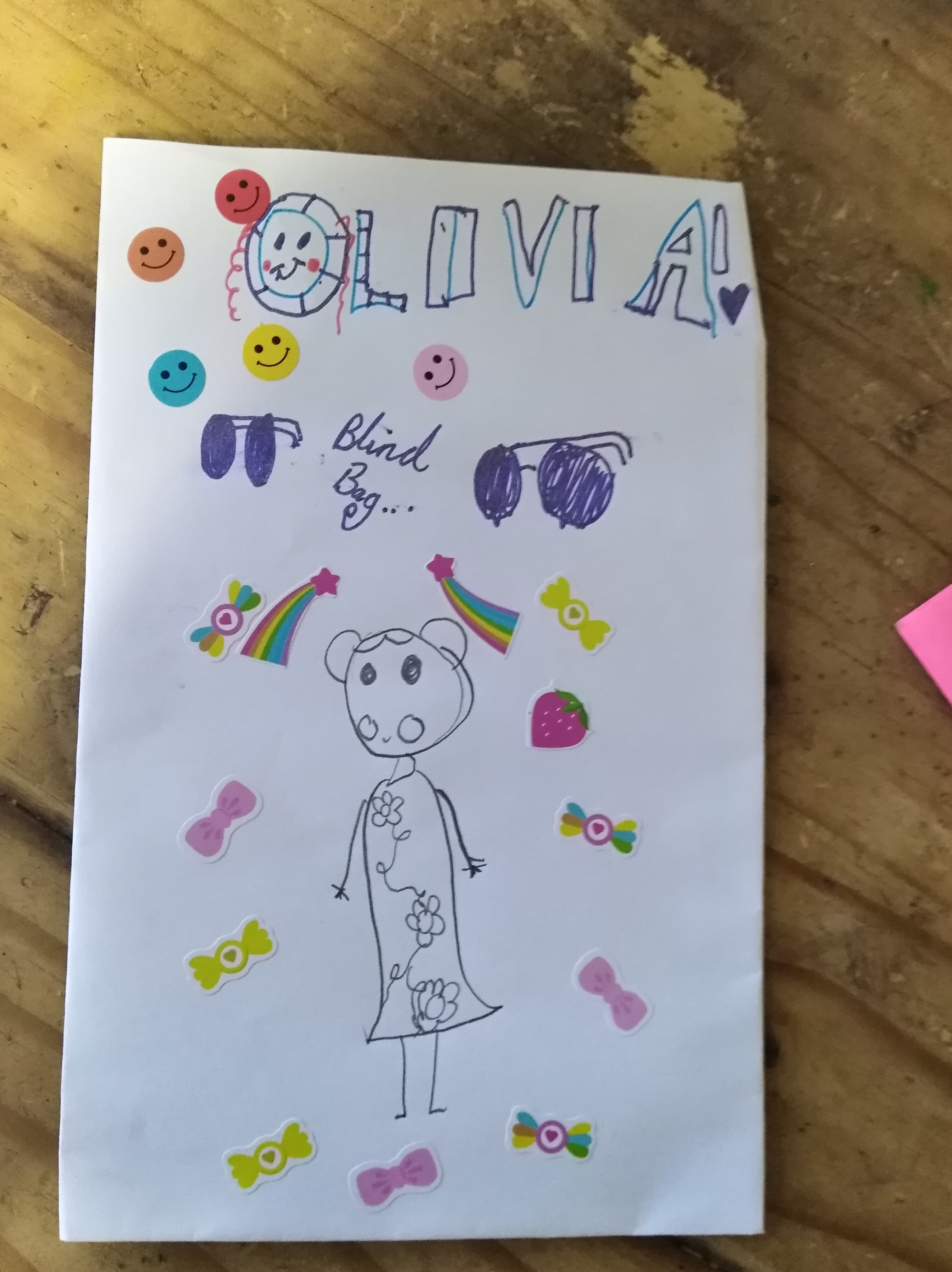
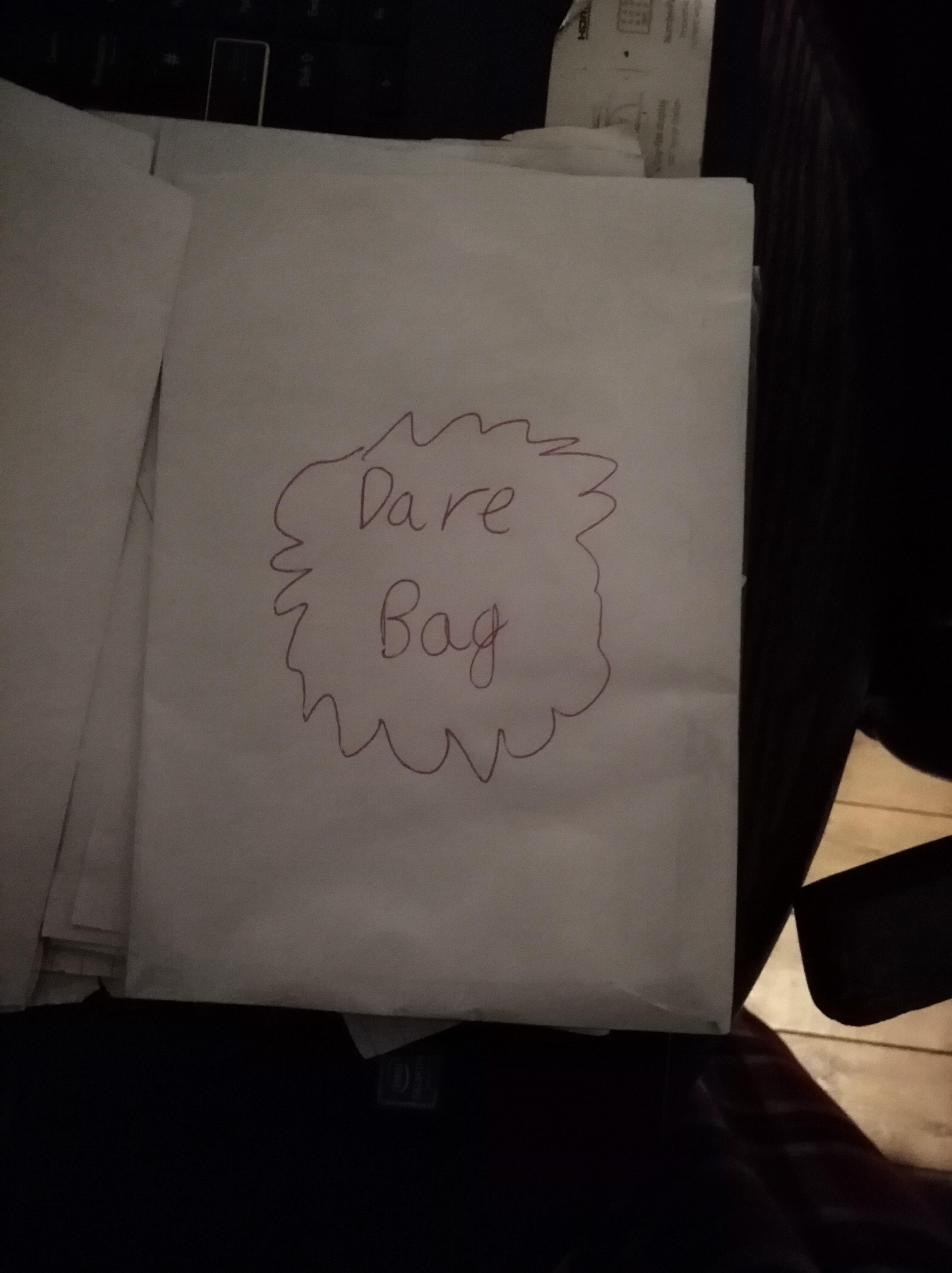
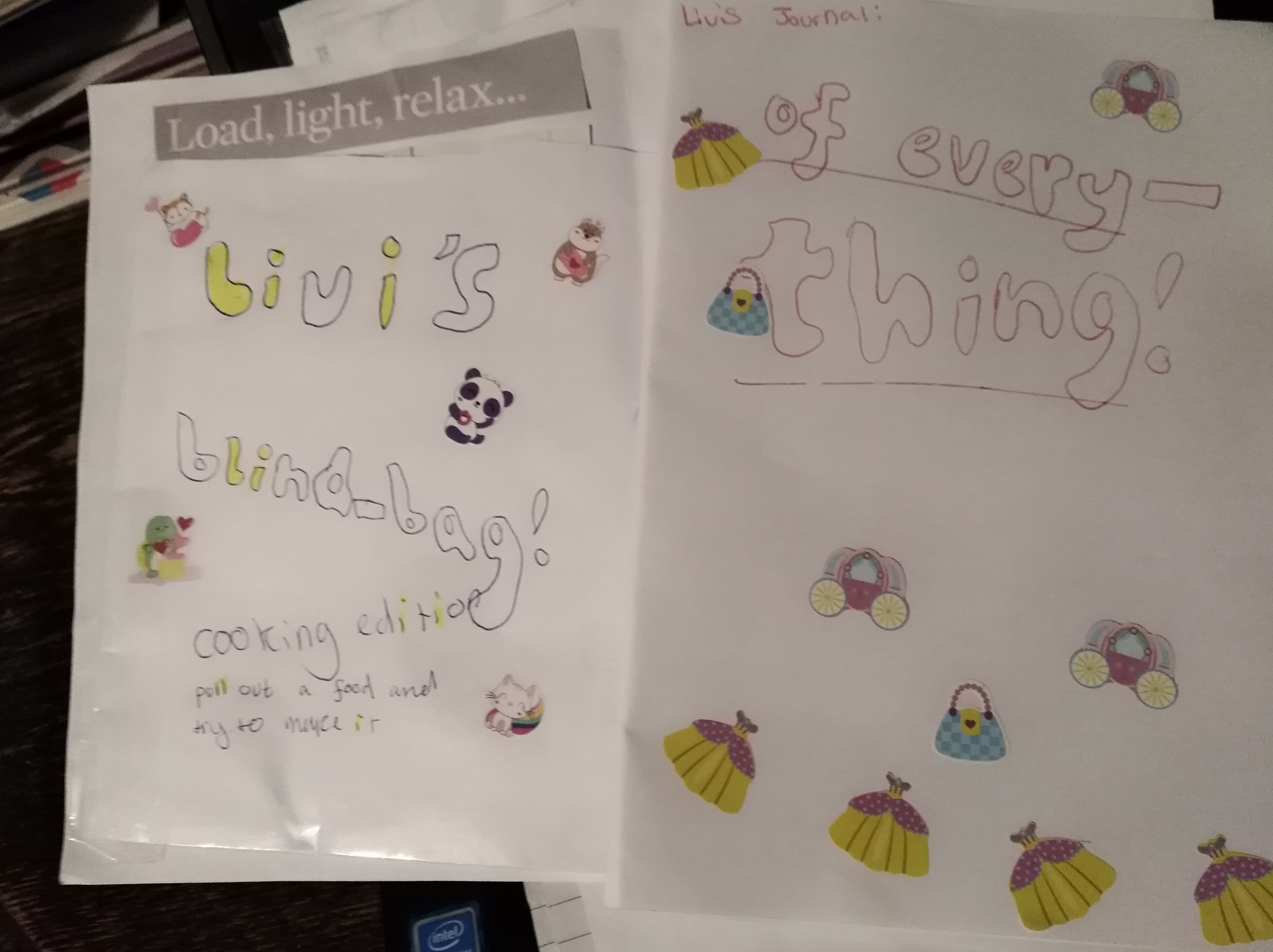
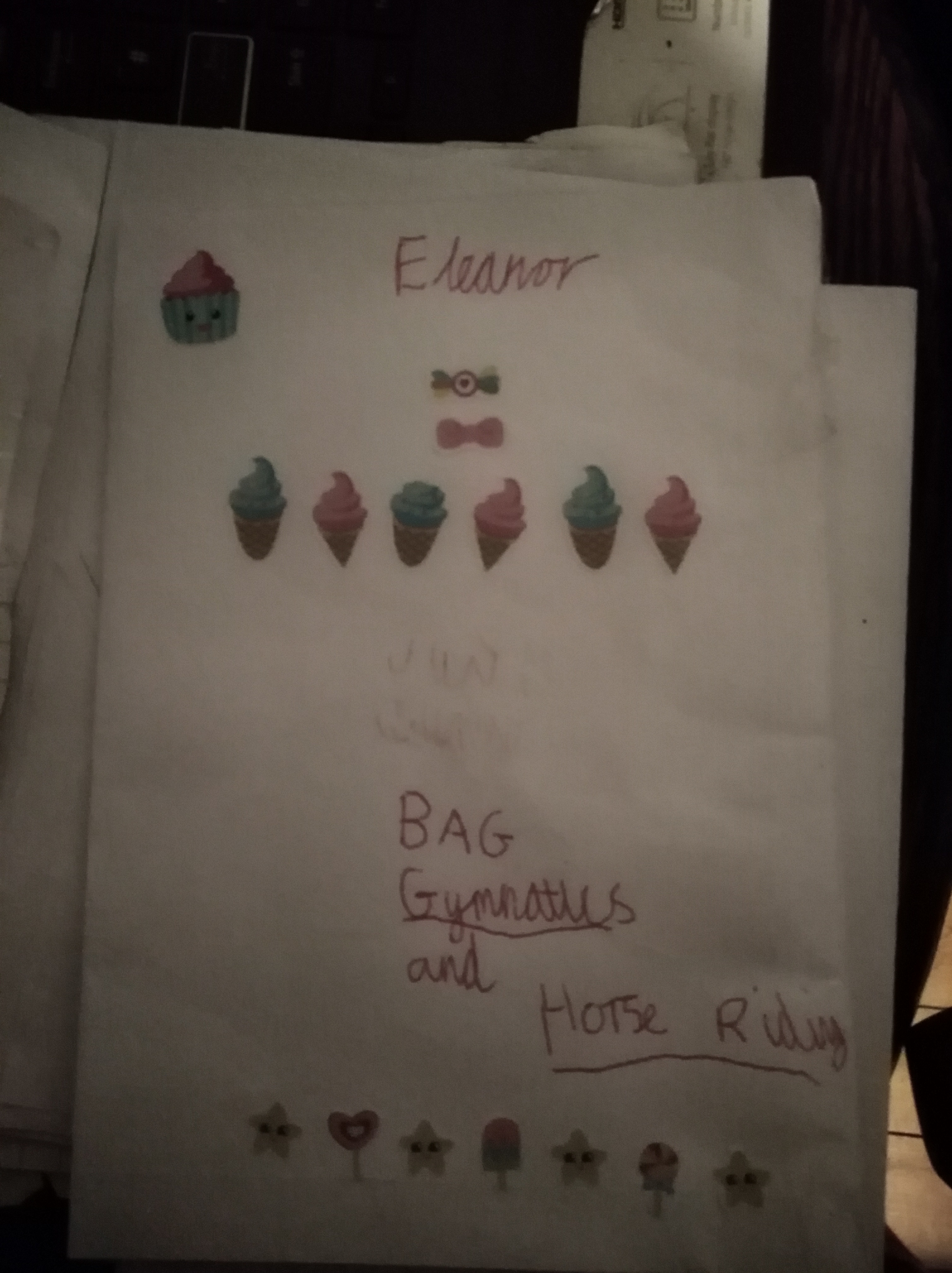
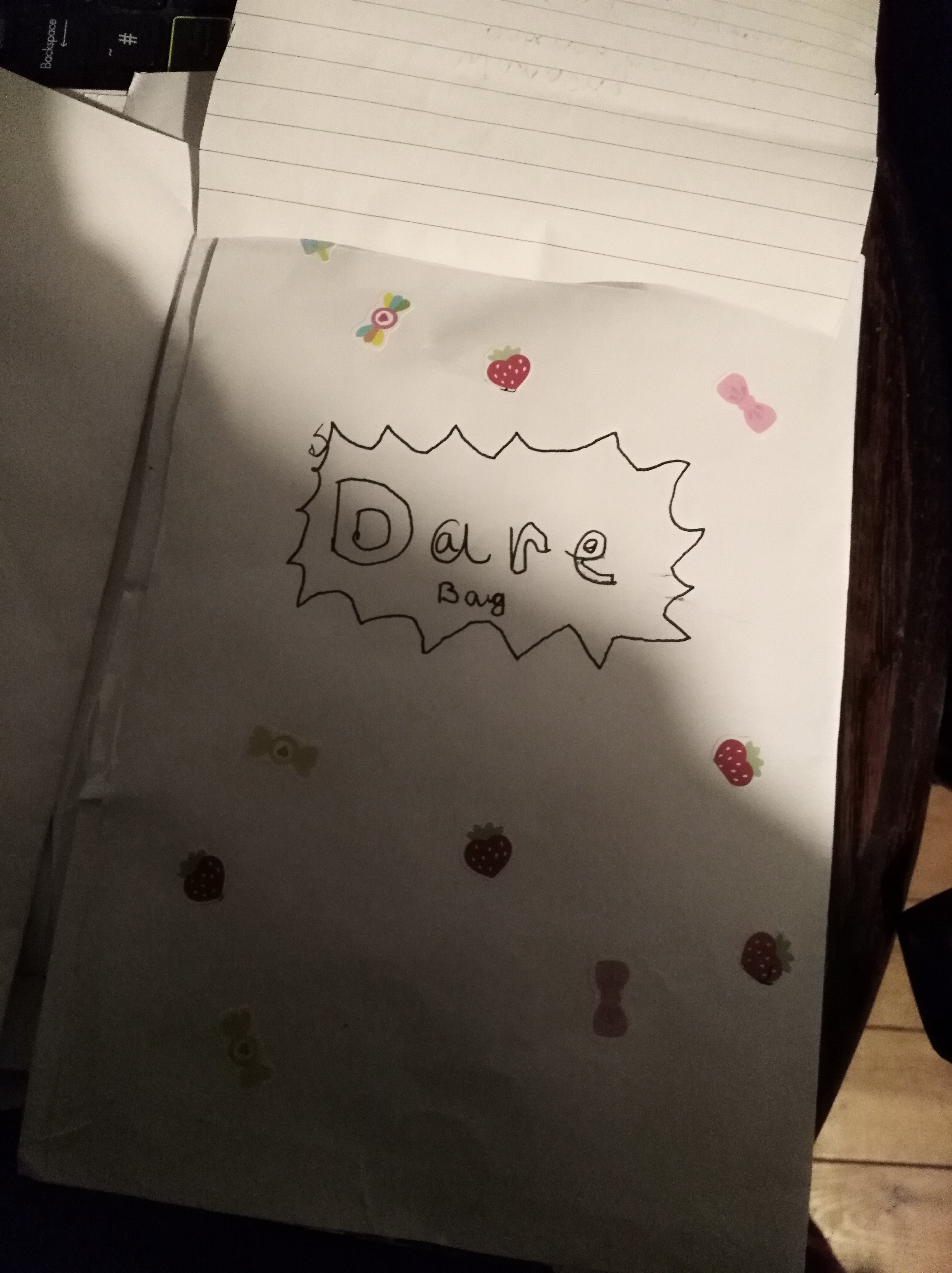
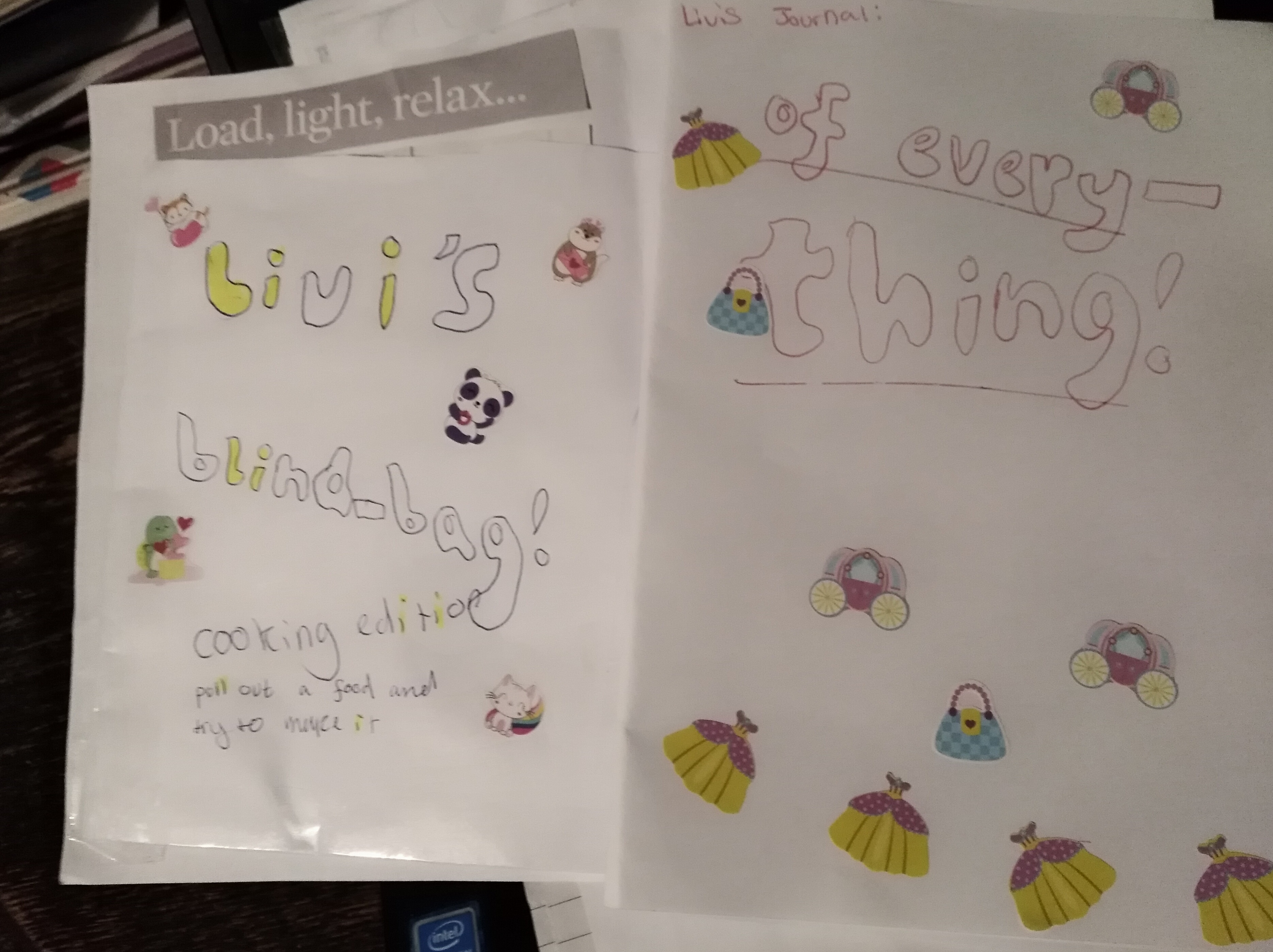
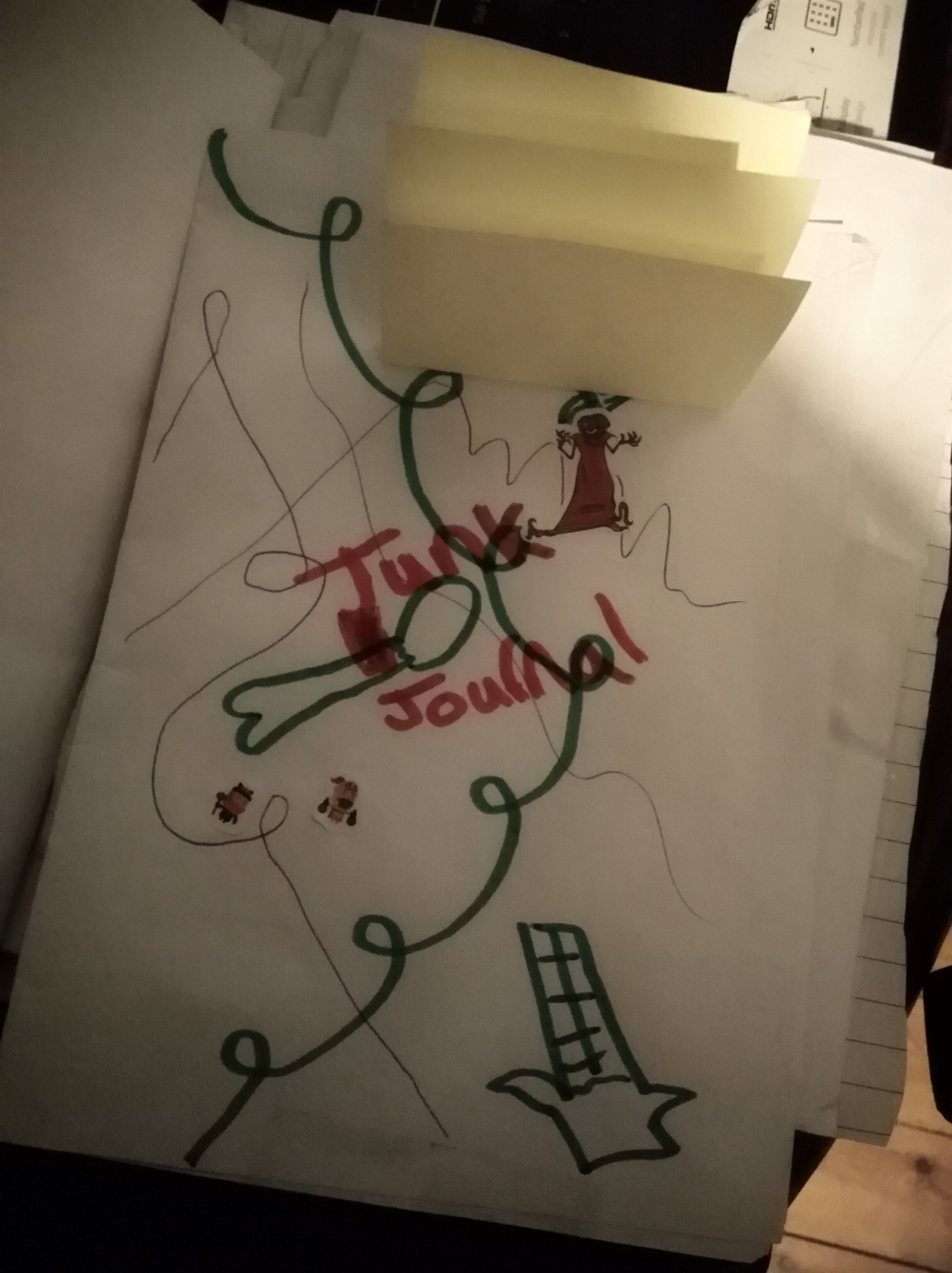
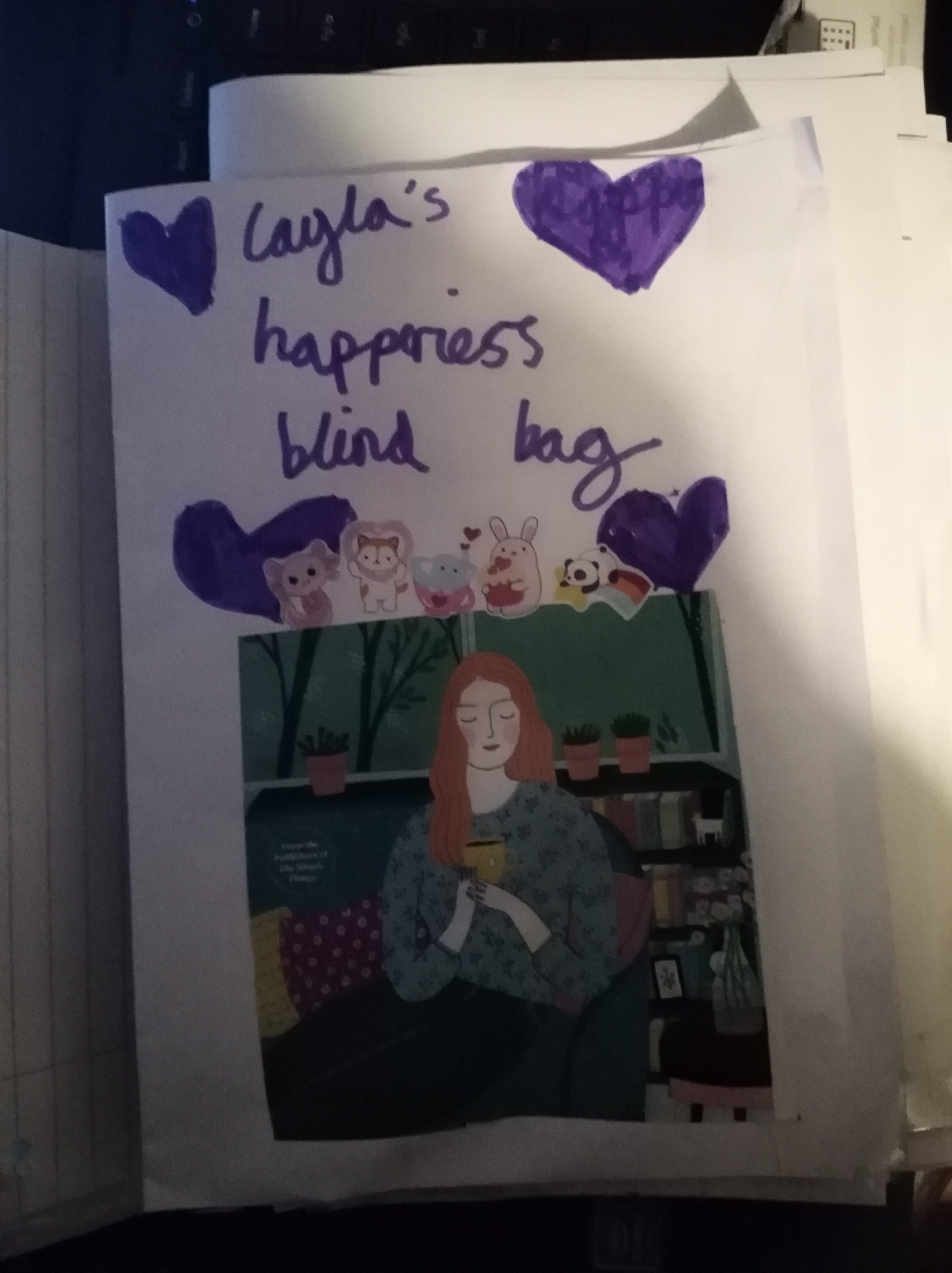
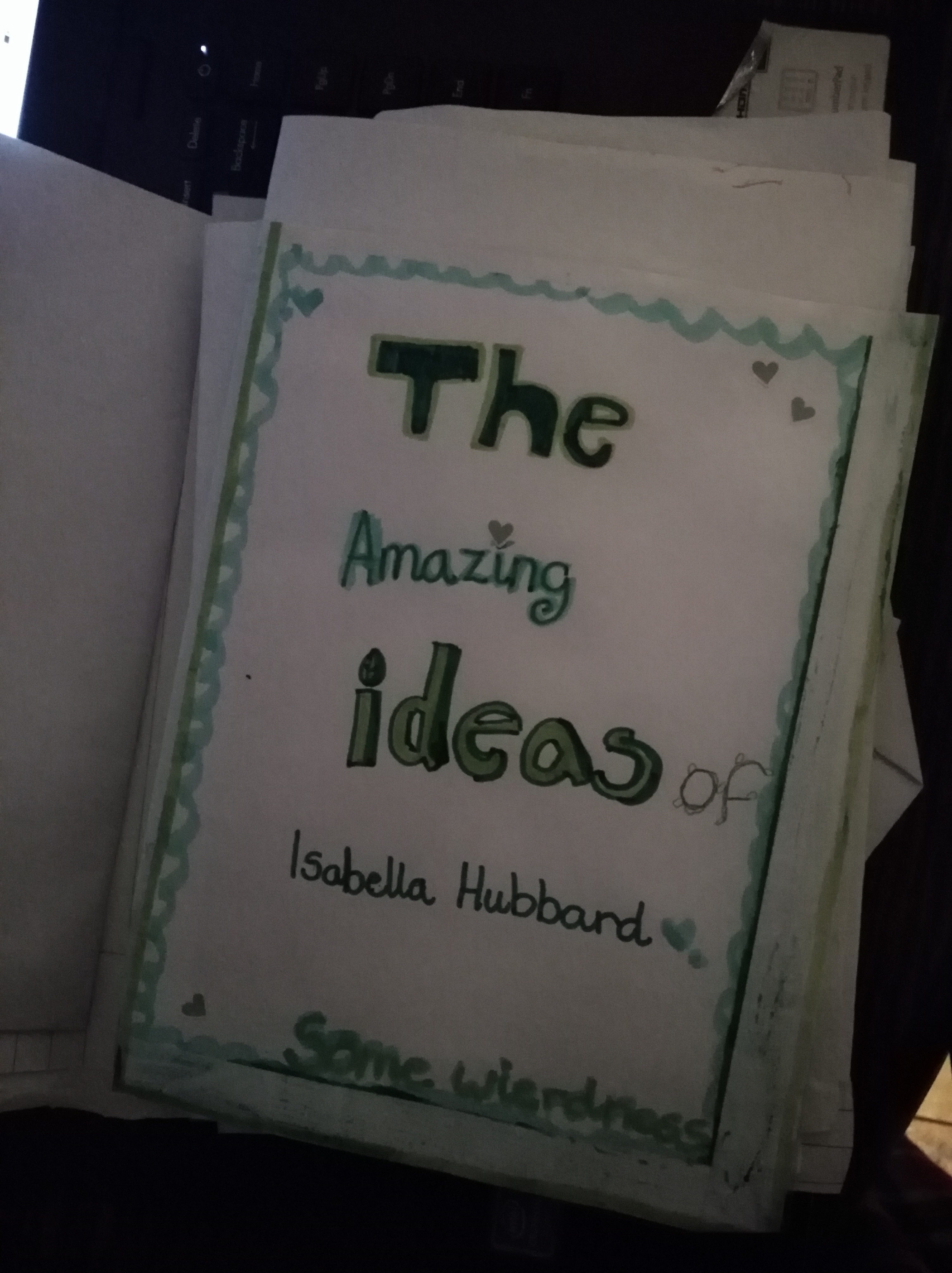
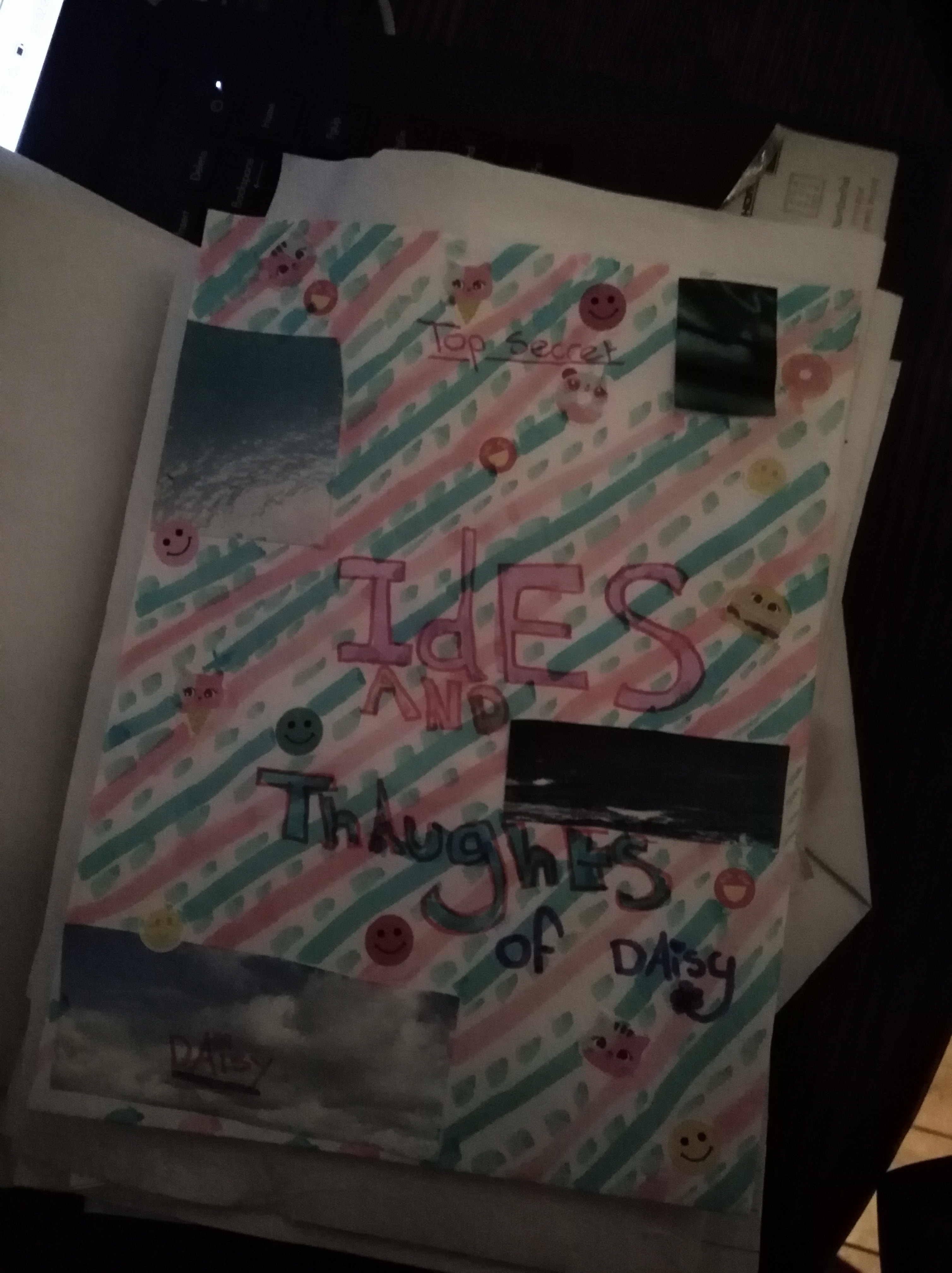
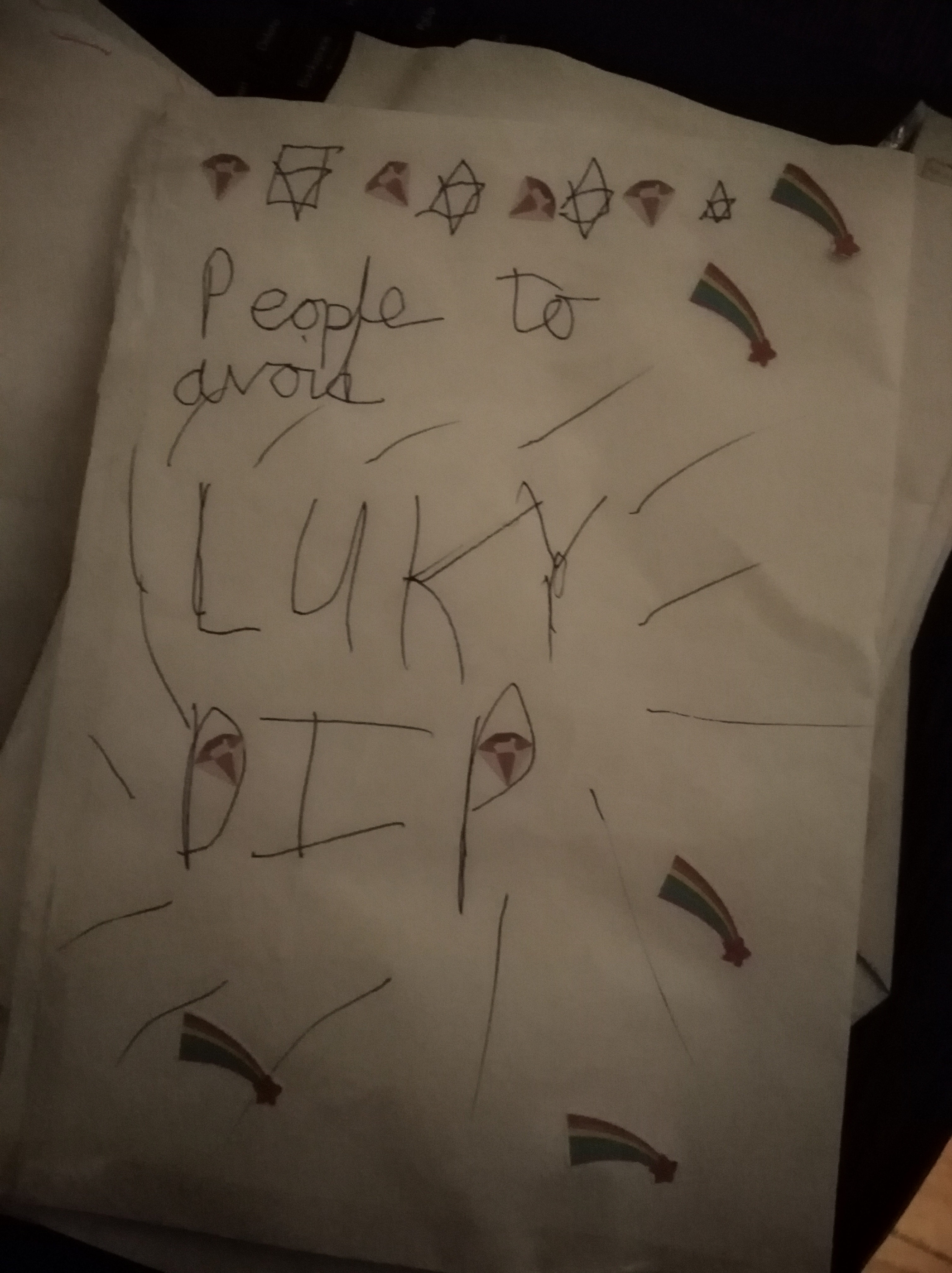
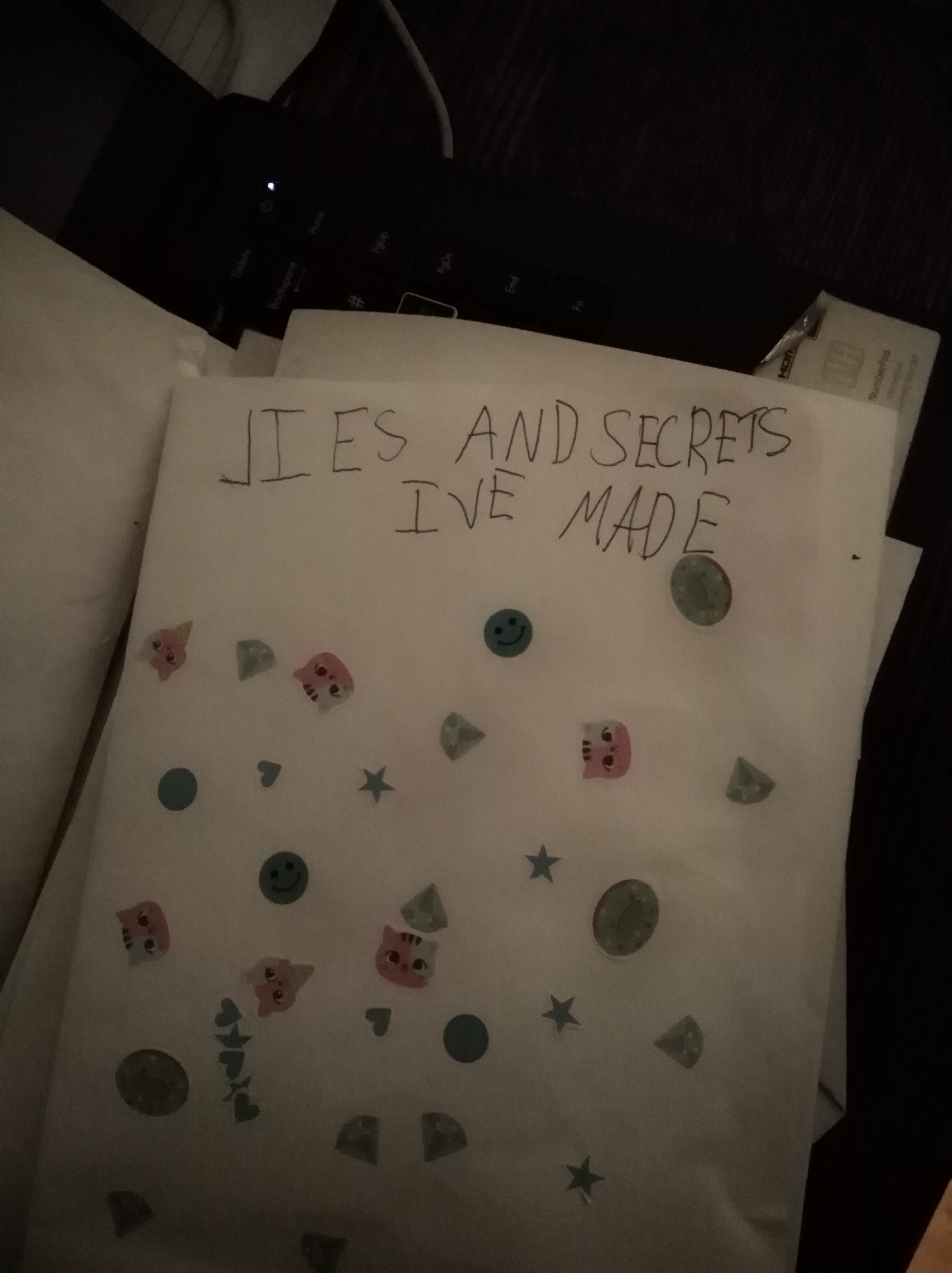
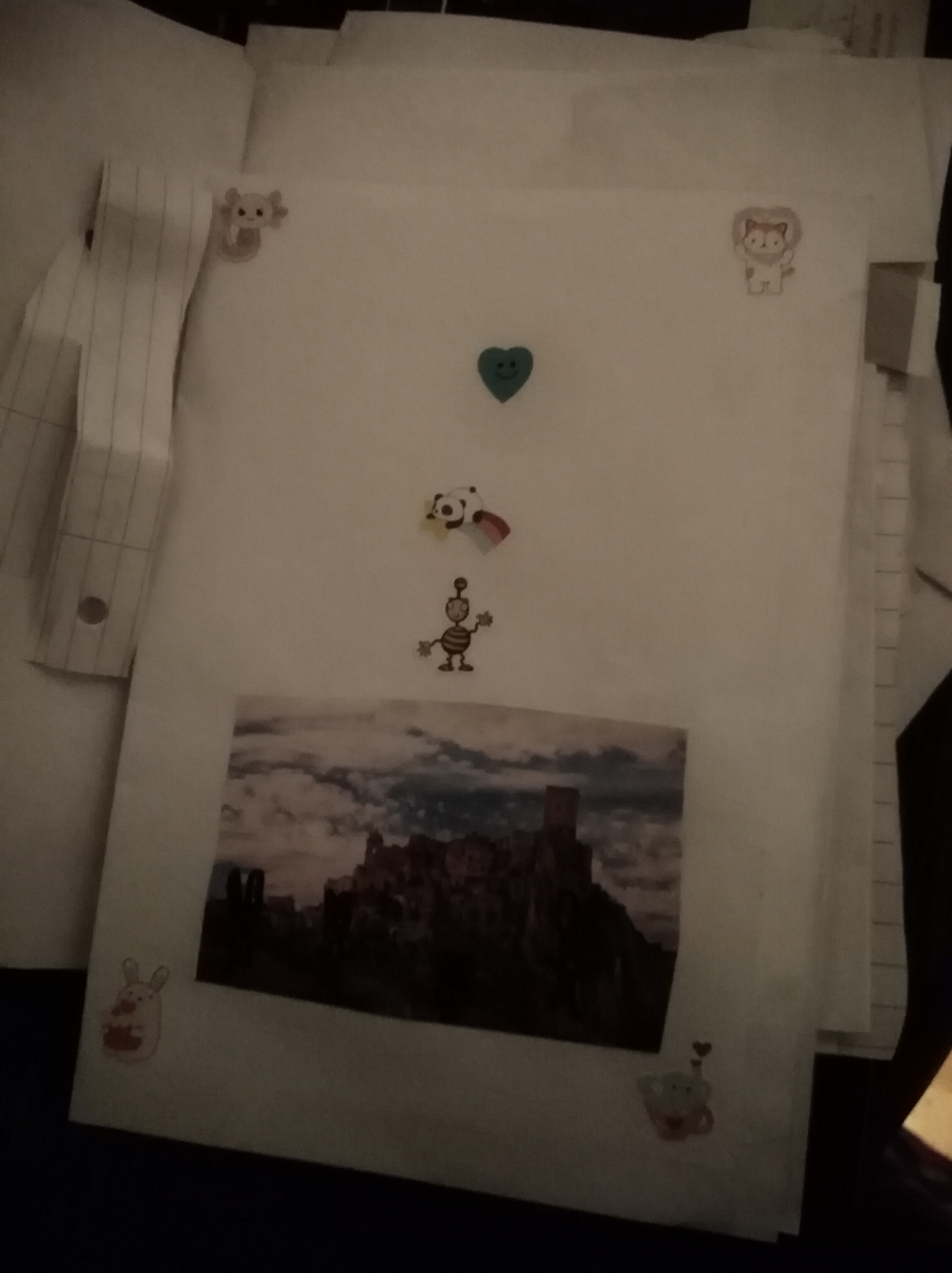
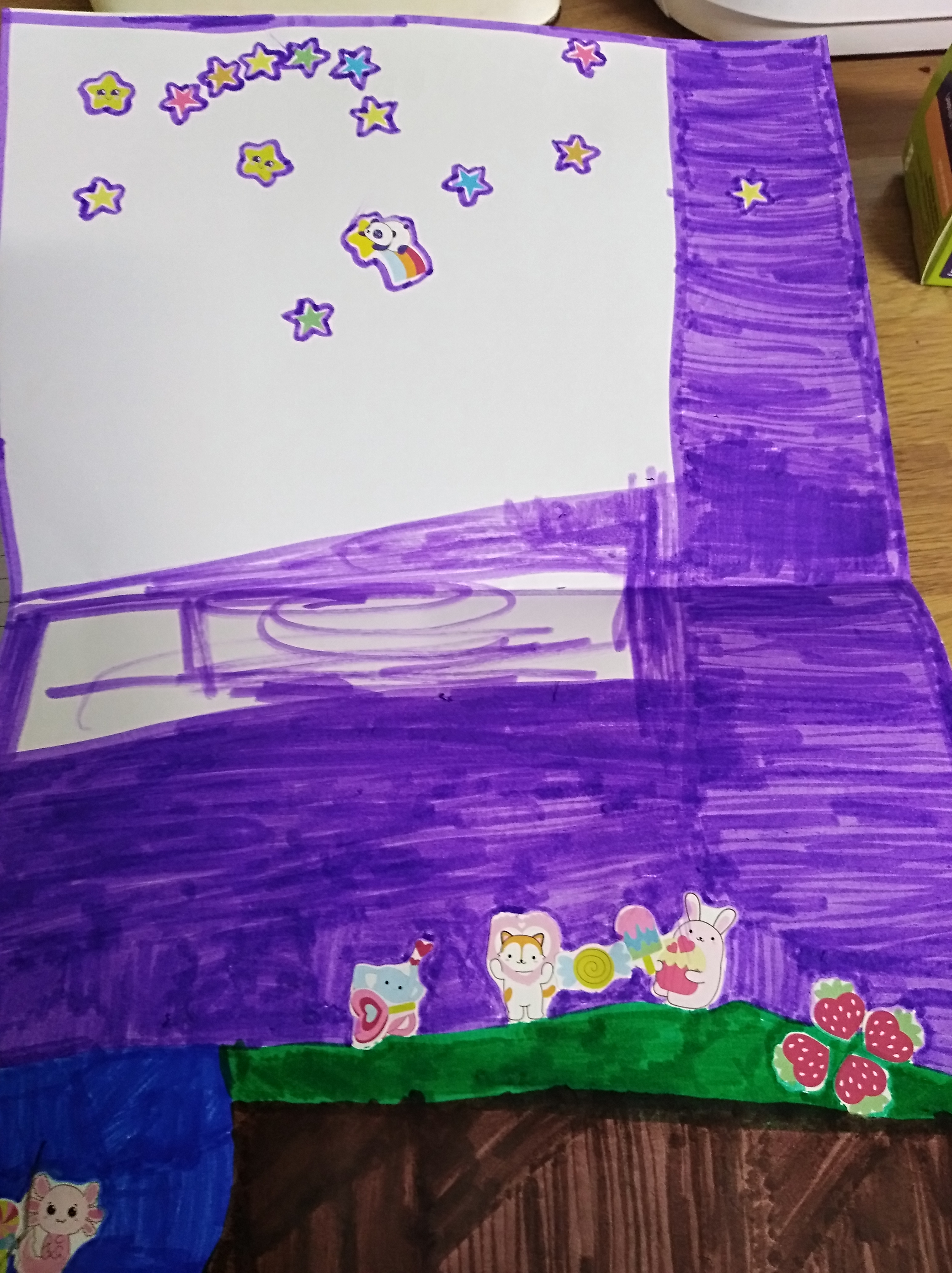
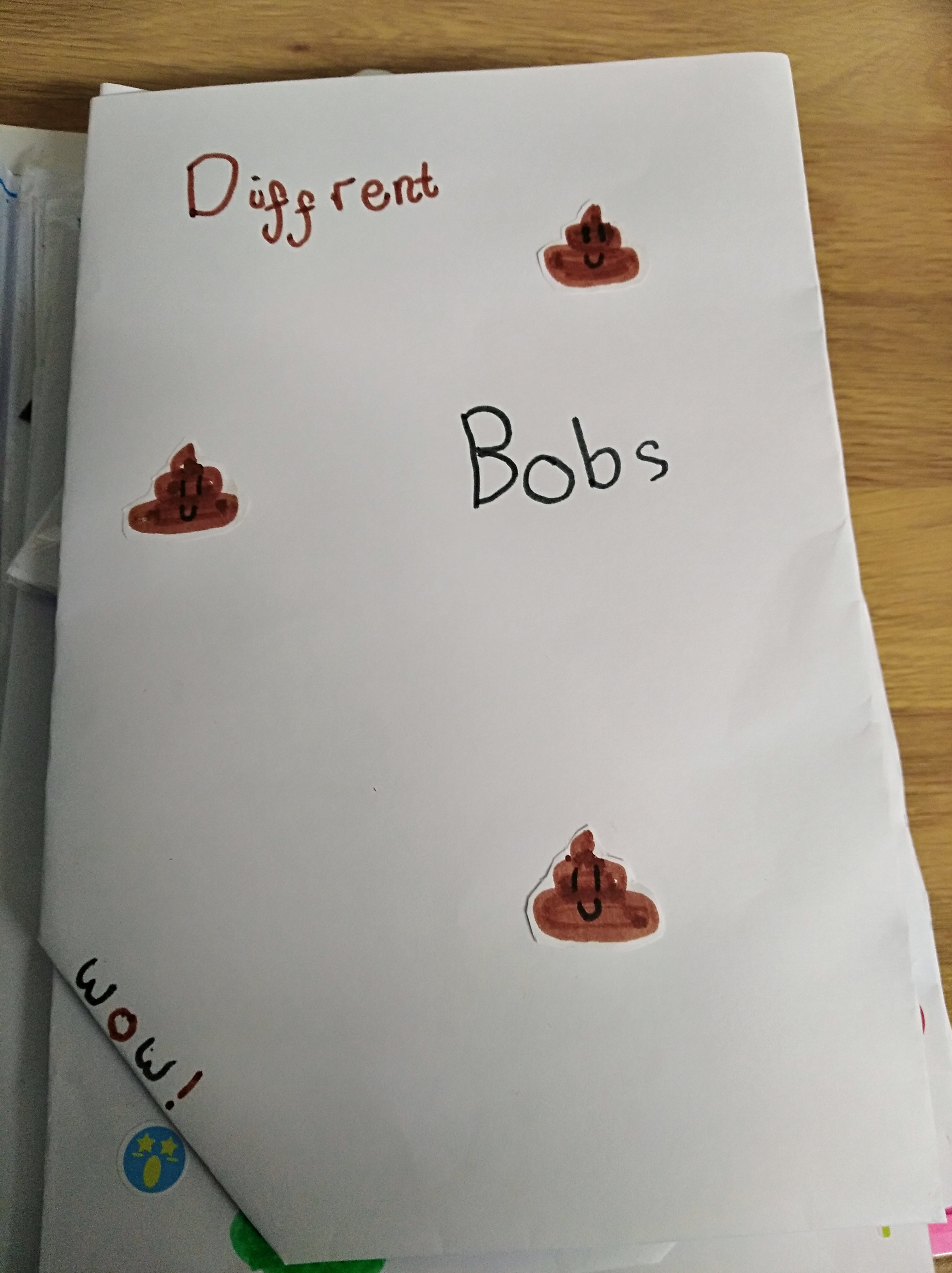
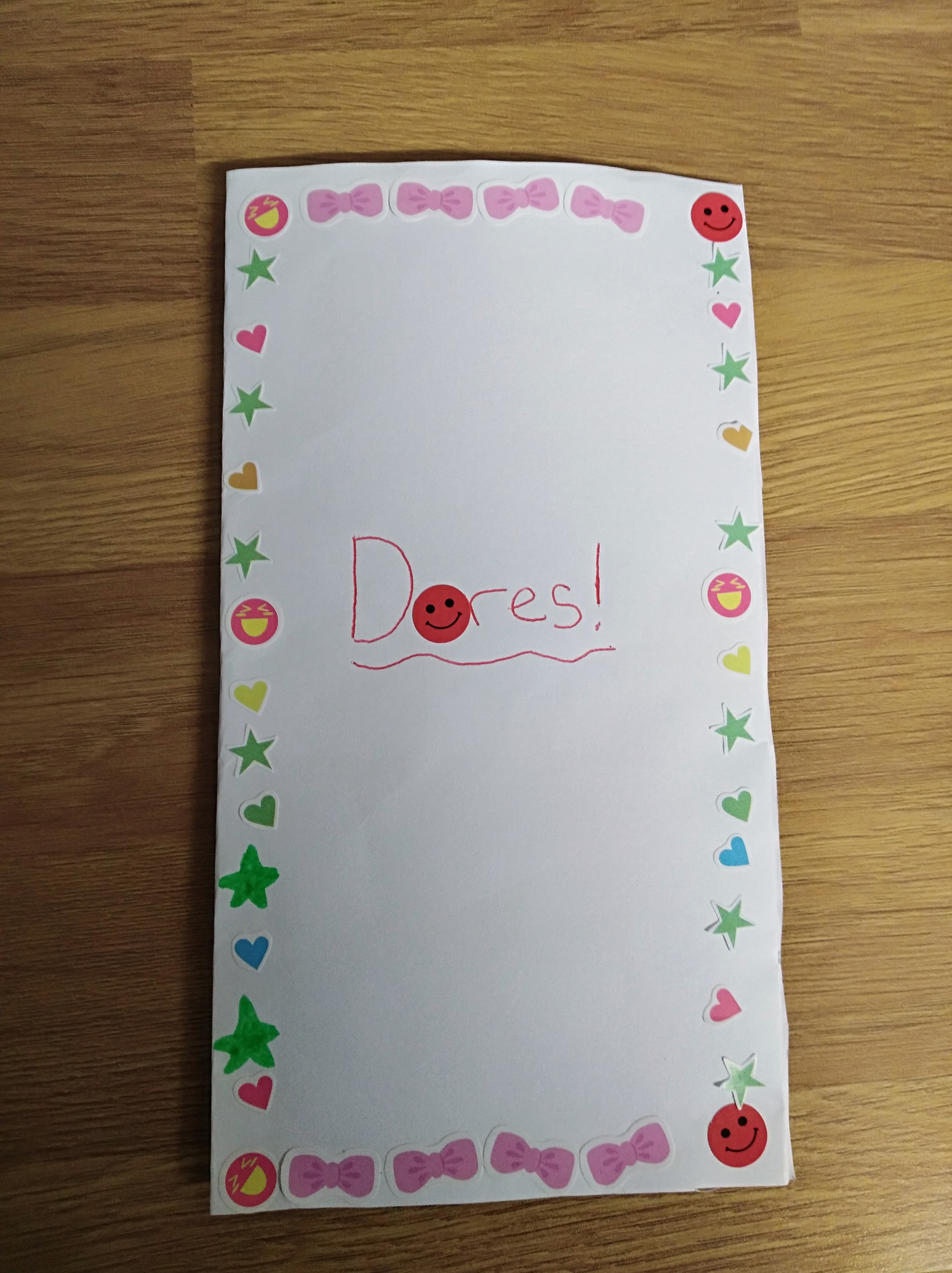
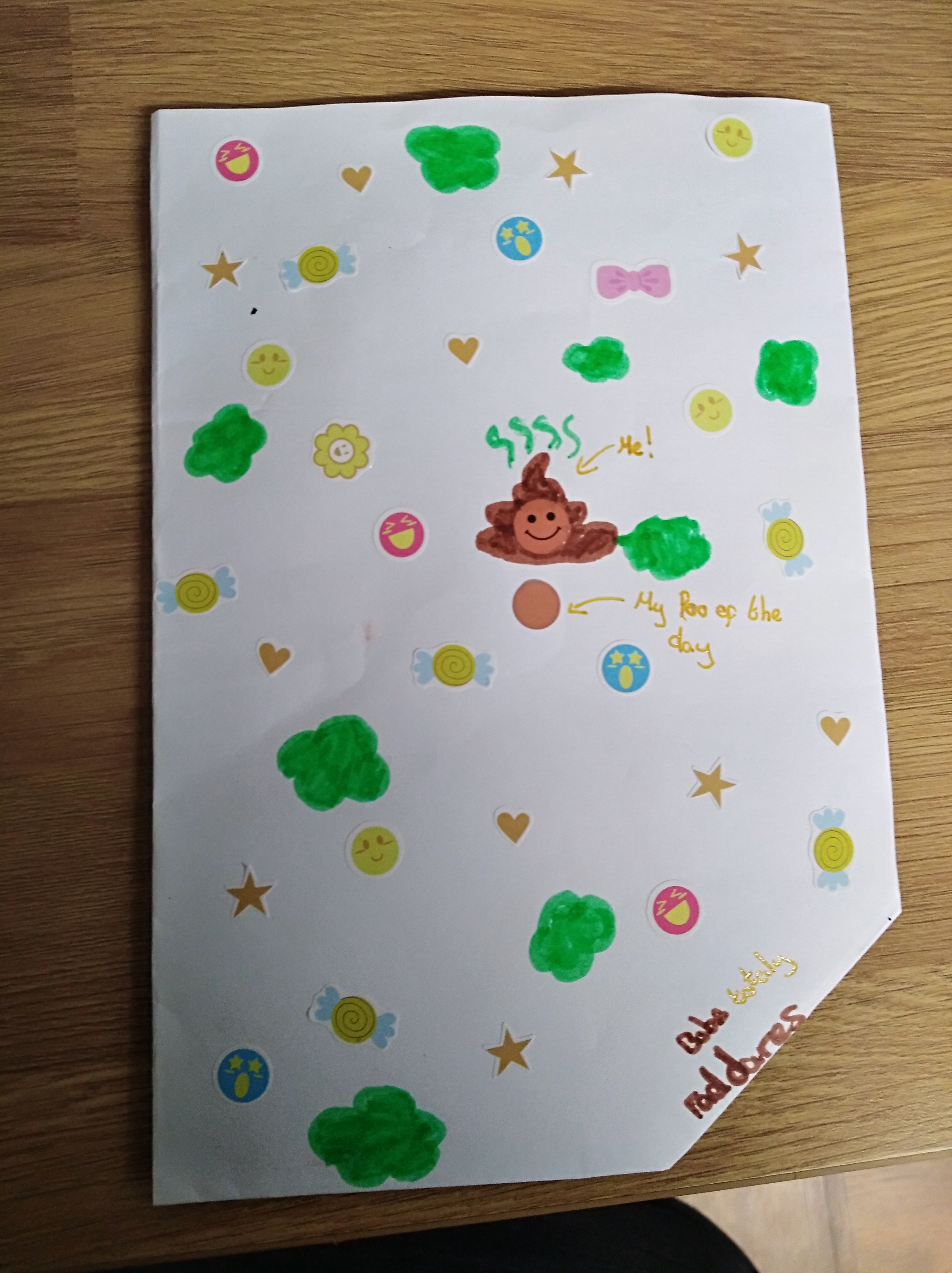
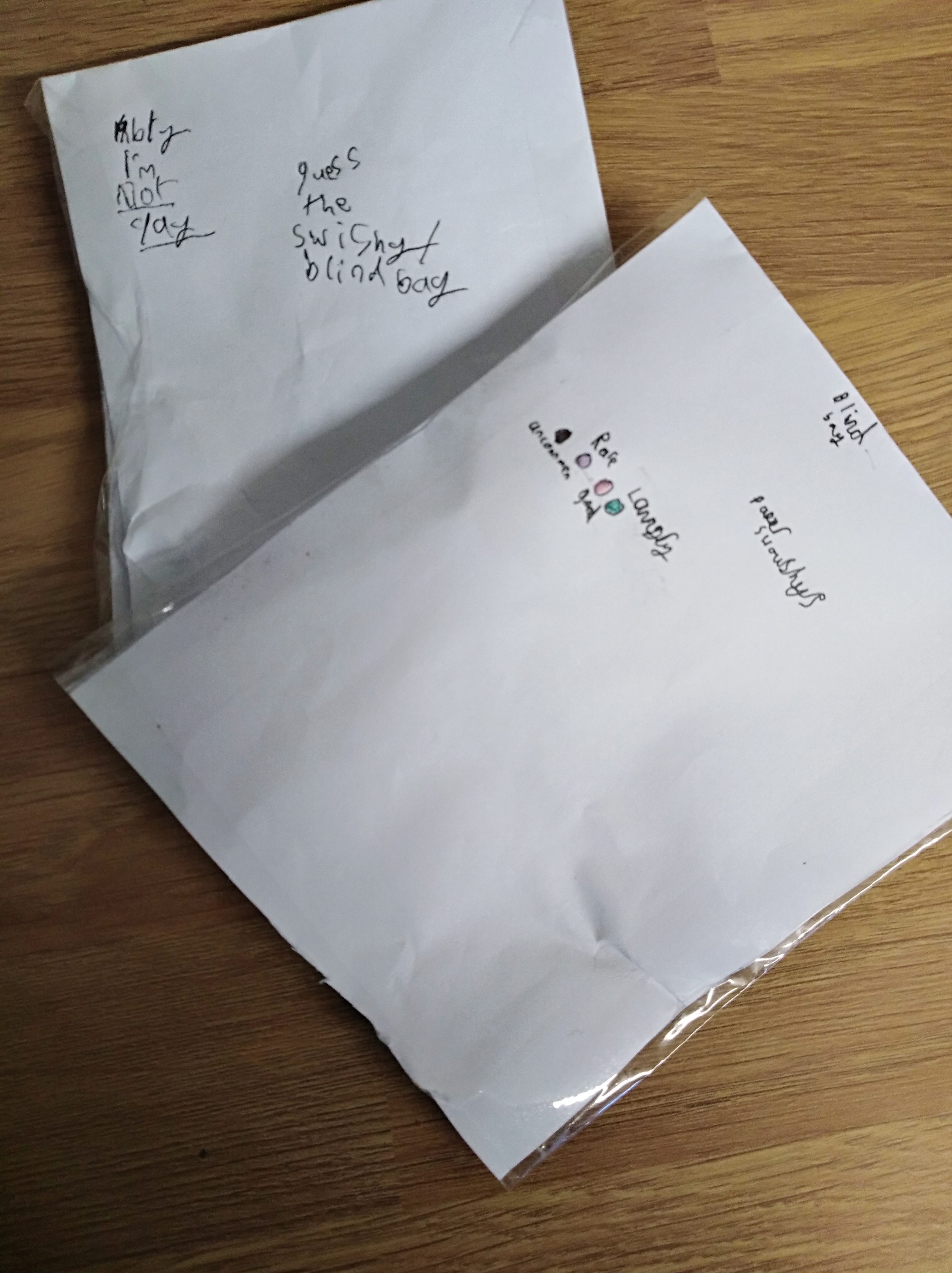
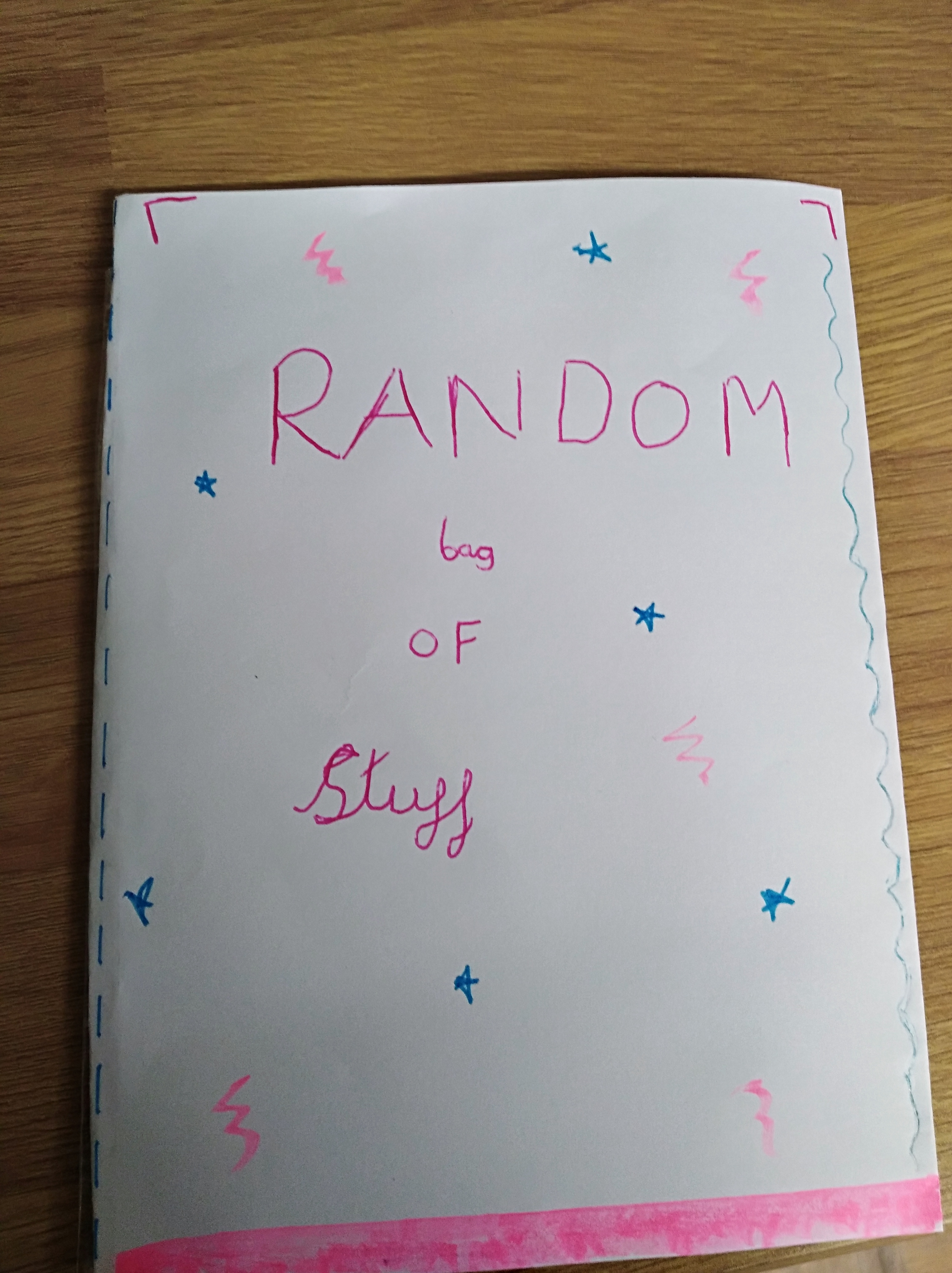
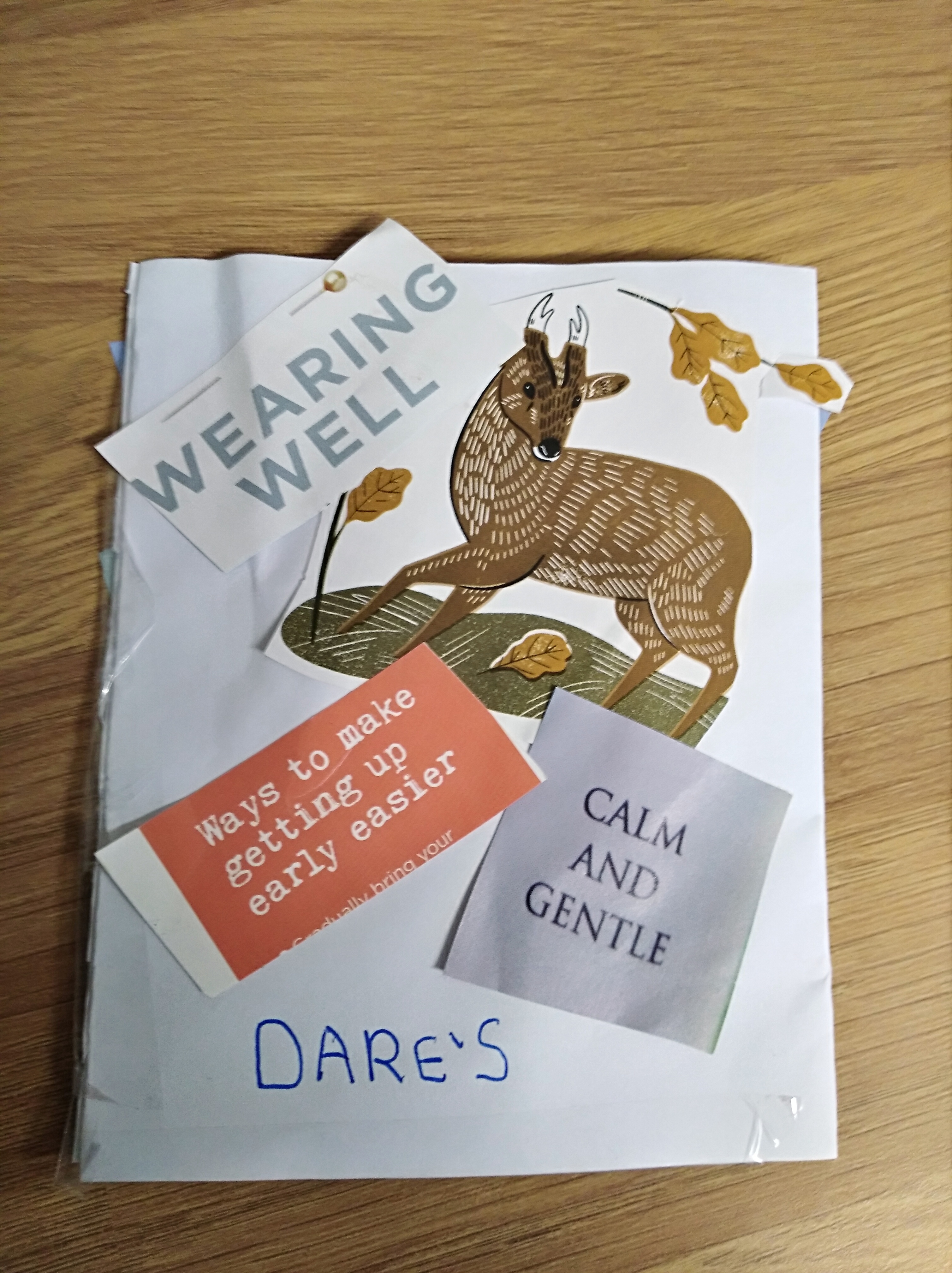
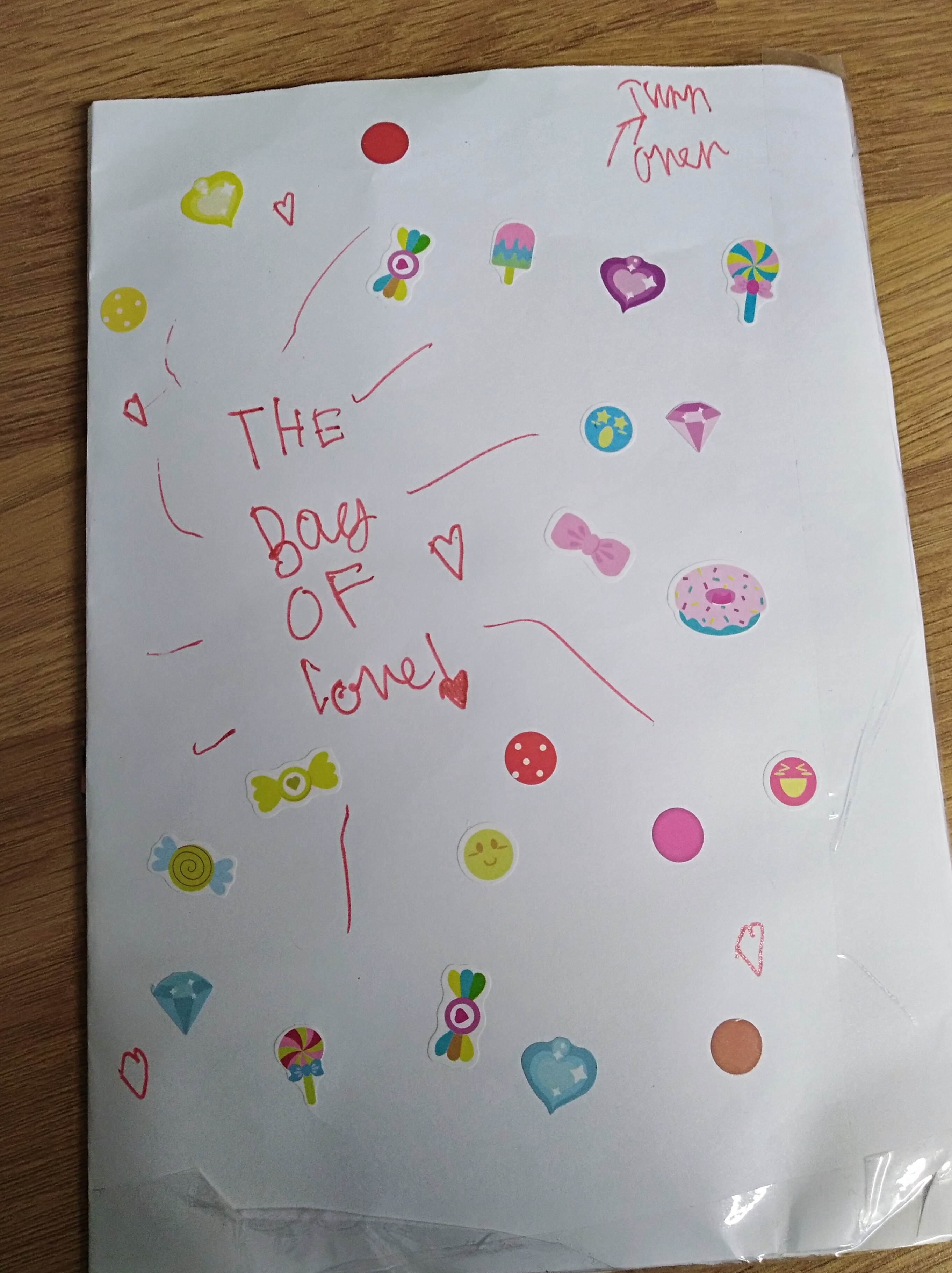
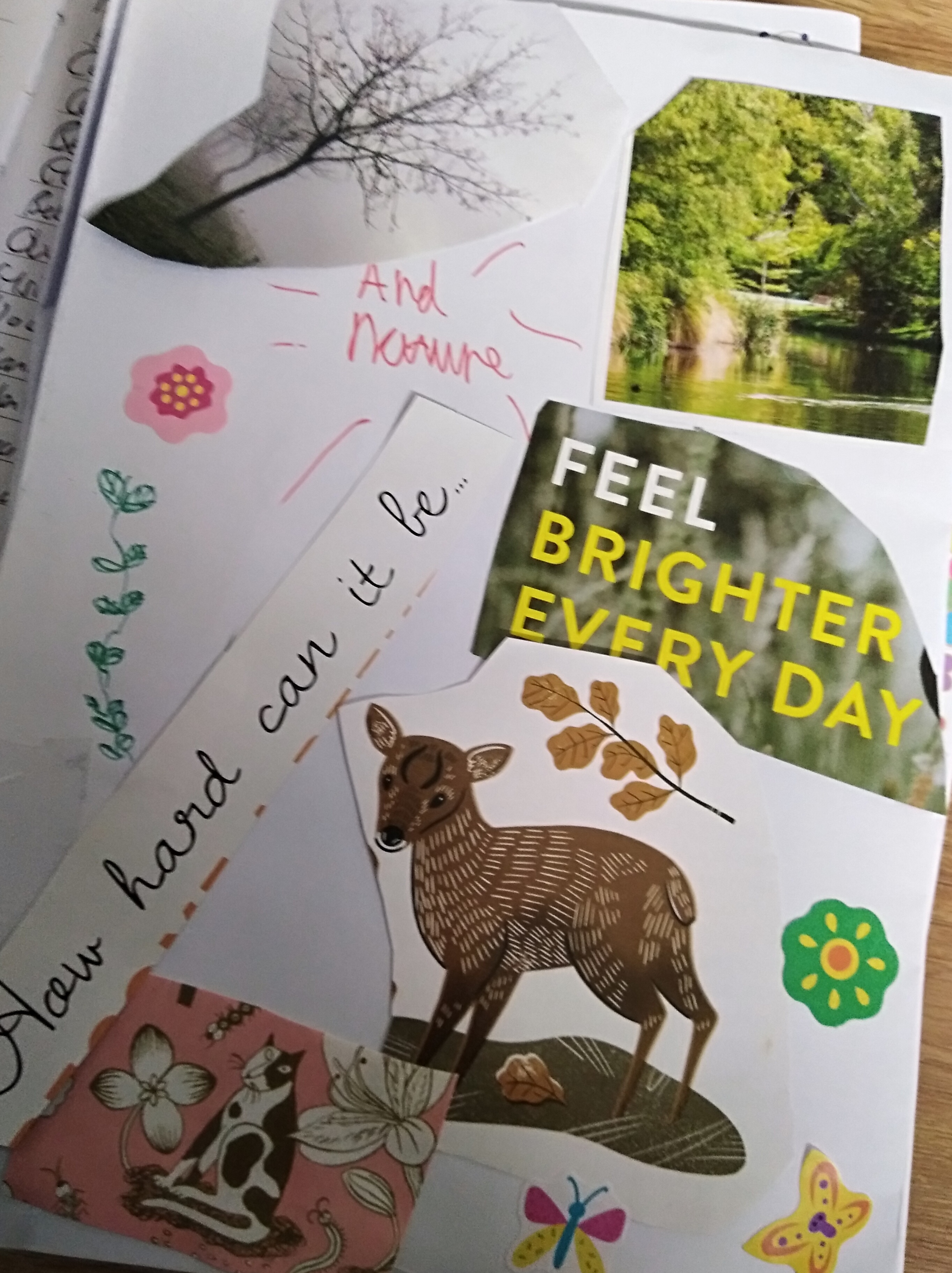
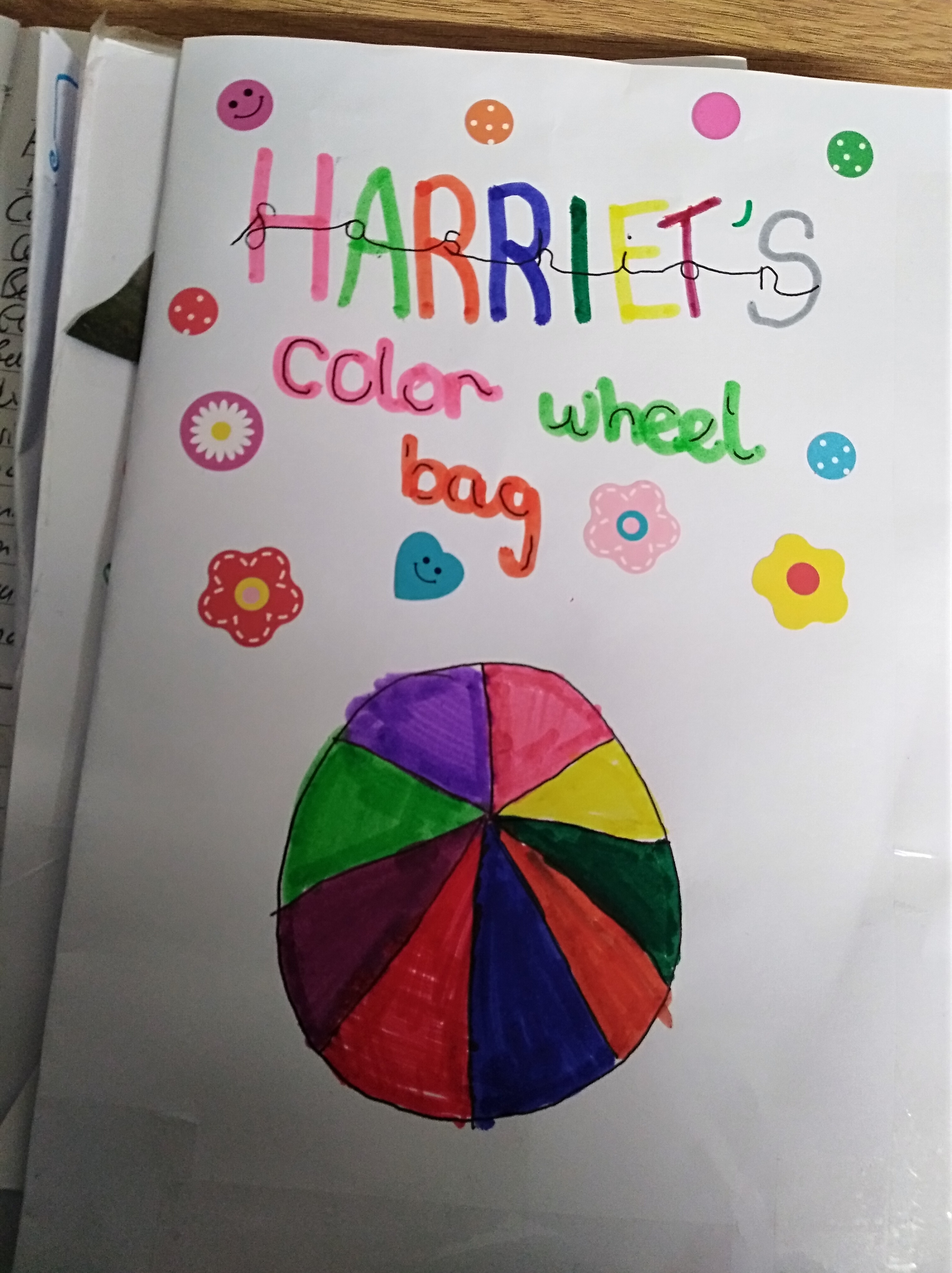
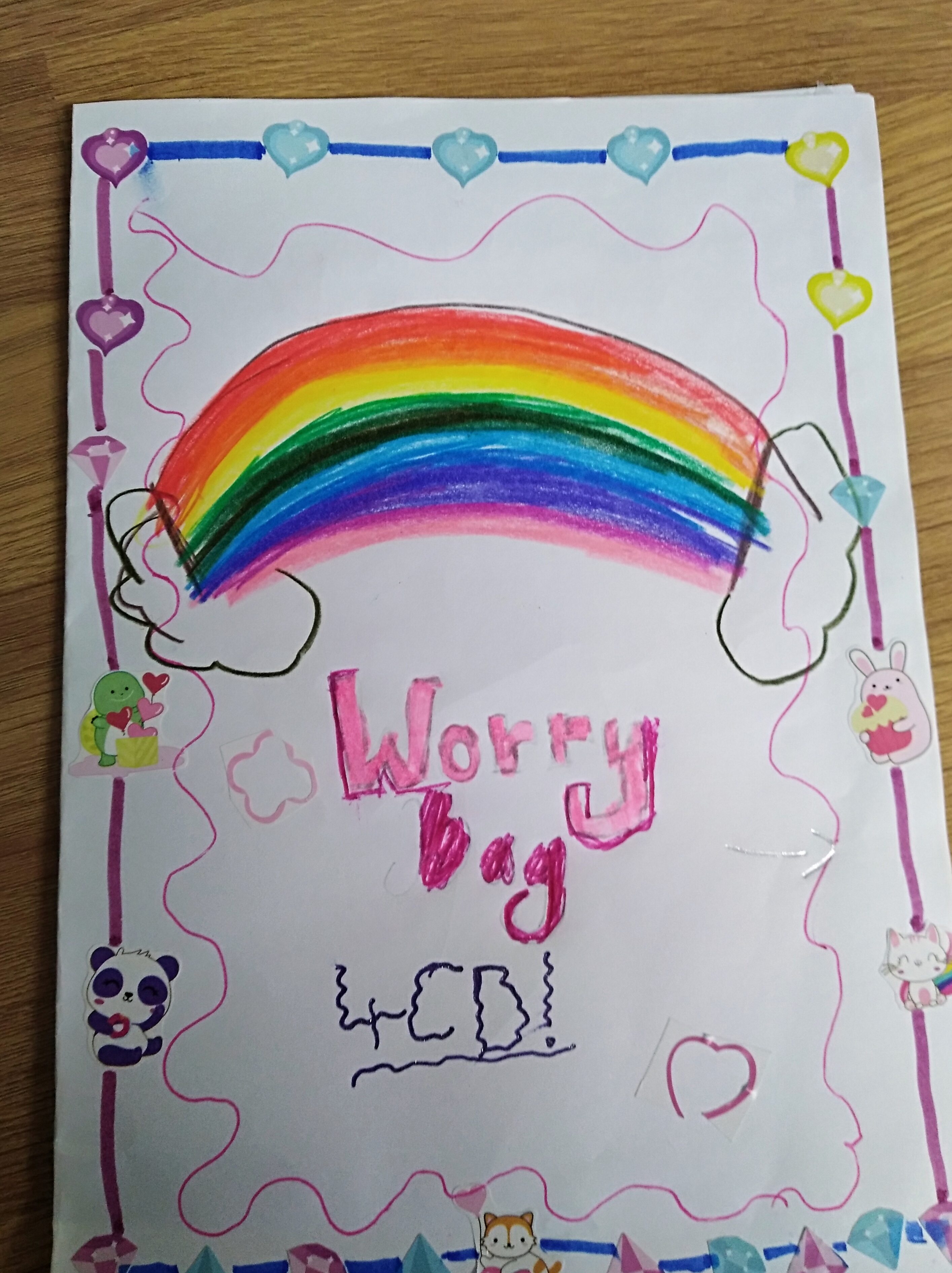
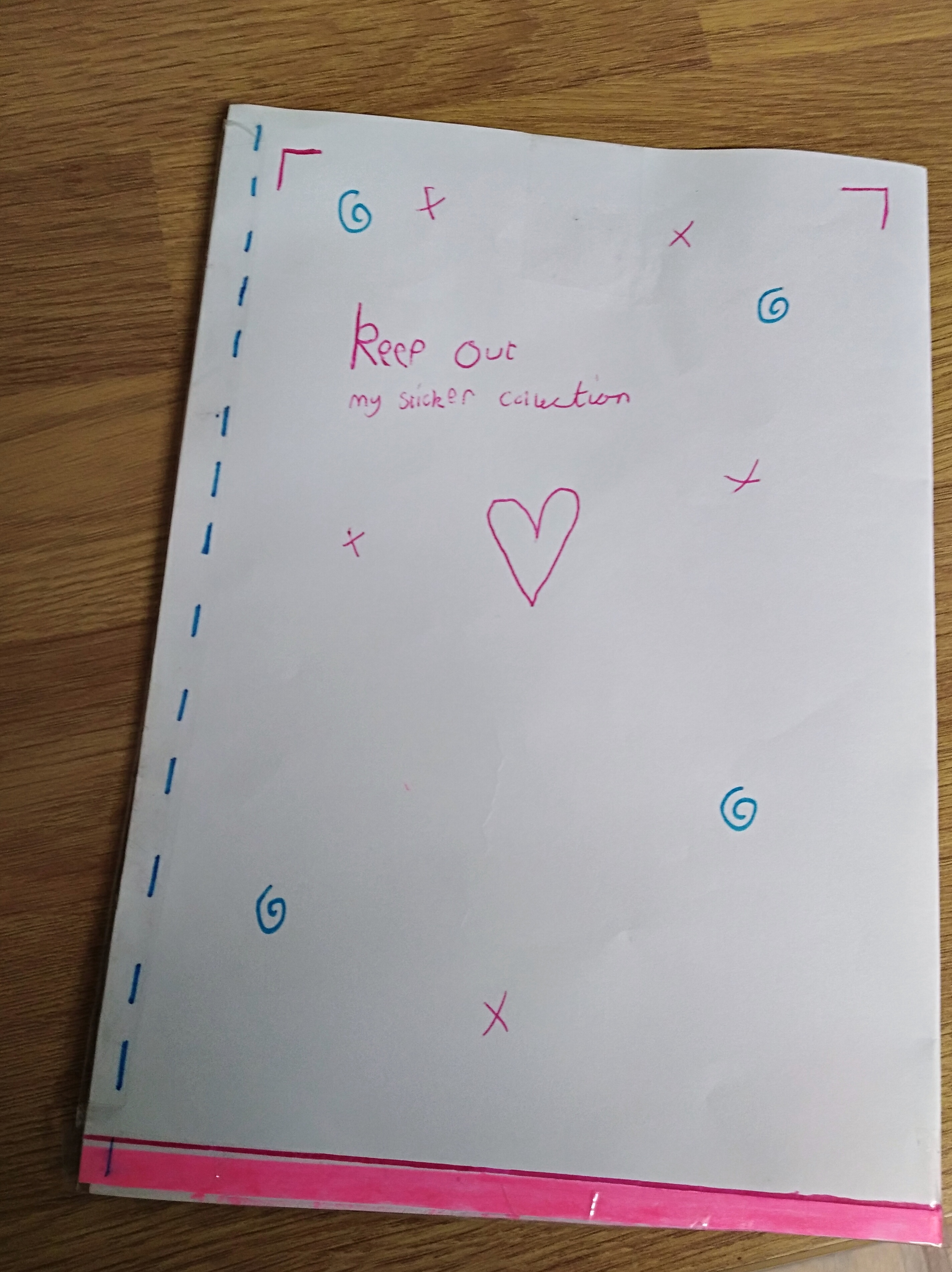
Monday CJS Club: For the next couple of weeks we are going to be making junk journals in school! We started by discussing the difference between a diary and a journal and talked about some journaling examples such as a nature journal, memory journal or travel journey. I explained that a junk journal is made from junk and recycled bits and bobs and can be anything they want it to be. We started today by first creating a ‘blind bag’ or ‘surprise bag’. This was partly to get them into a creative mood and get them thinking about possible themes for their journals. The surprise bags were a big hit and it was brilliant to see how differently they tackled them! You create a little envelope style ‘bag’ with a piece of paper and then decorate it however you like. As you can see from the examples below, they were very varied in design and purpose! Some children, for example, wanted to focus on nature, so as well as decorating the bag they also wrote tiny little poems and drew pictures to put inside. One child created a bag of games to play when bored! Another was designed as a ‘top secret’ bag full of secrets! Next week they will design their journal’s front and back cover and then can start adding fun pages over the next few weeks!
Tuesday
Tuesday 11 Plus Zoom club: A great session today with this group. A few of them chose to write a news report based on the picture prompts offered while another member of the group wanted to start a new story and decided to start the story with a newspaper report about a missing person. We have tackled article writing in the past and it was lovely to see them all remember things like an attention grabbing headline followed by a sub-title or lead, followed by the story itself. Fantastic!
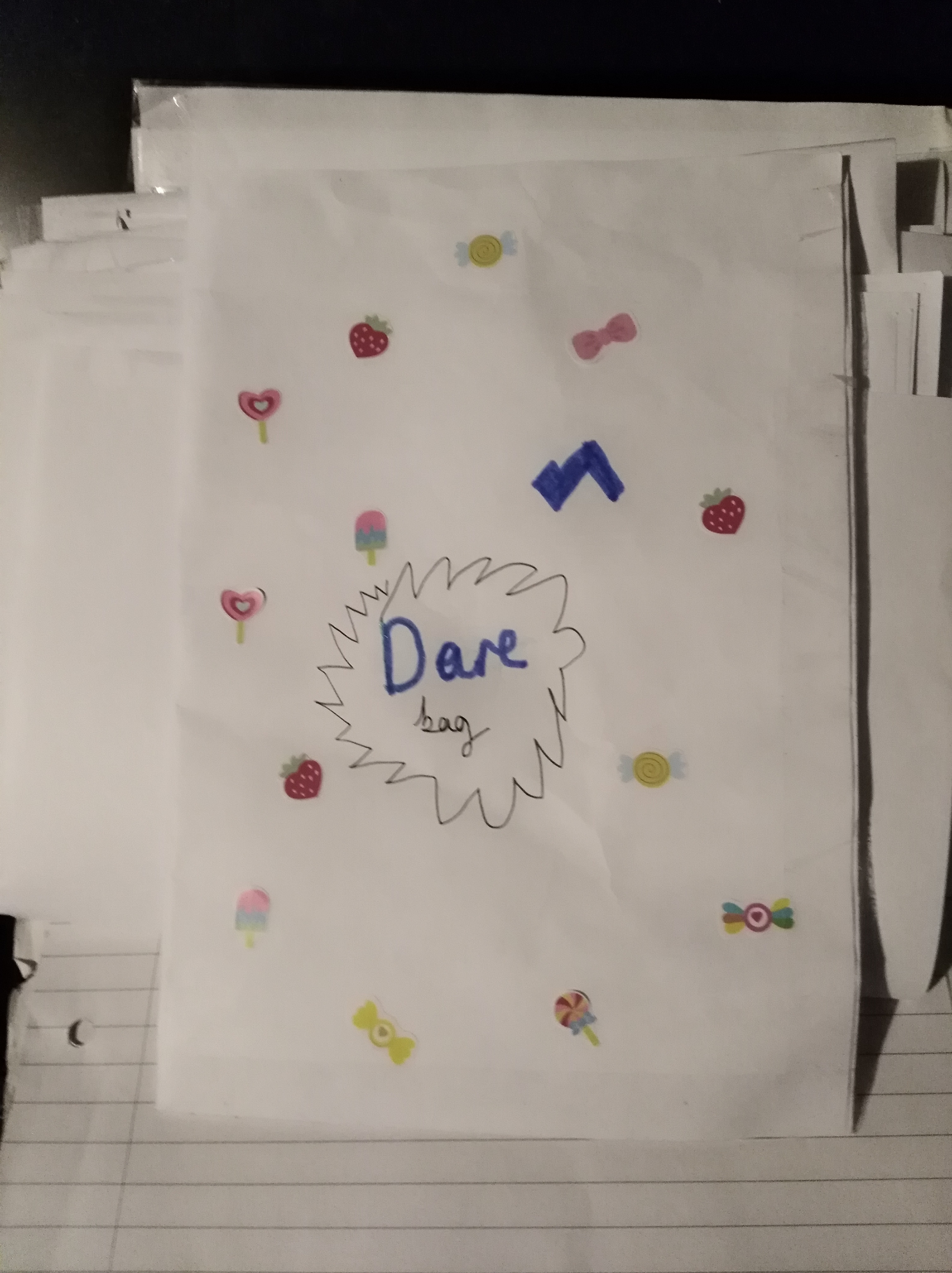
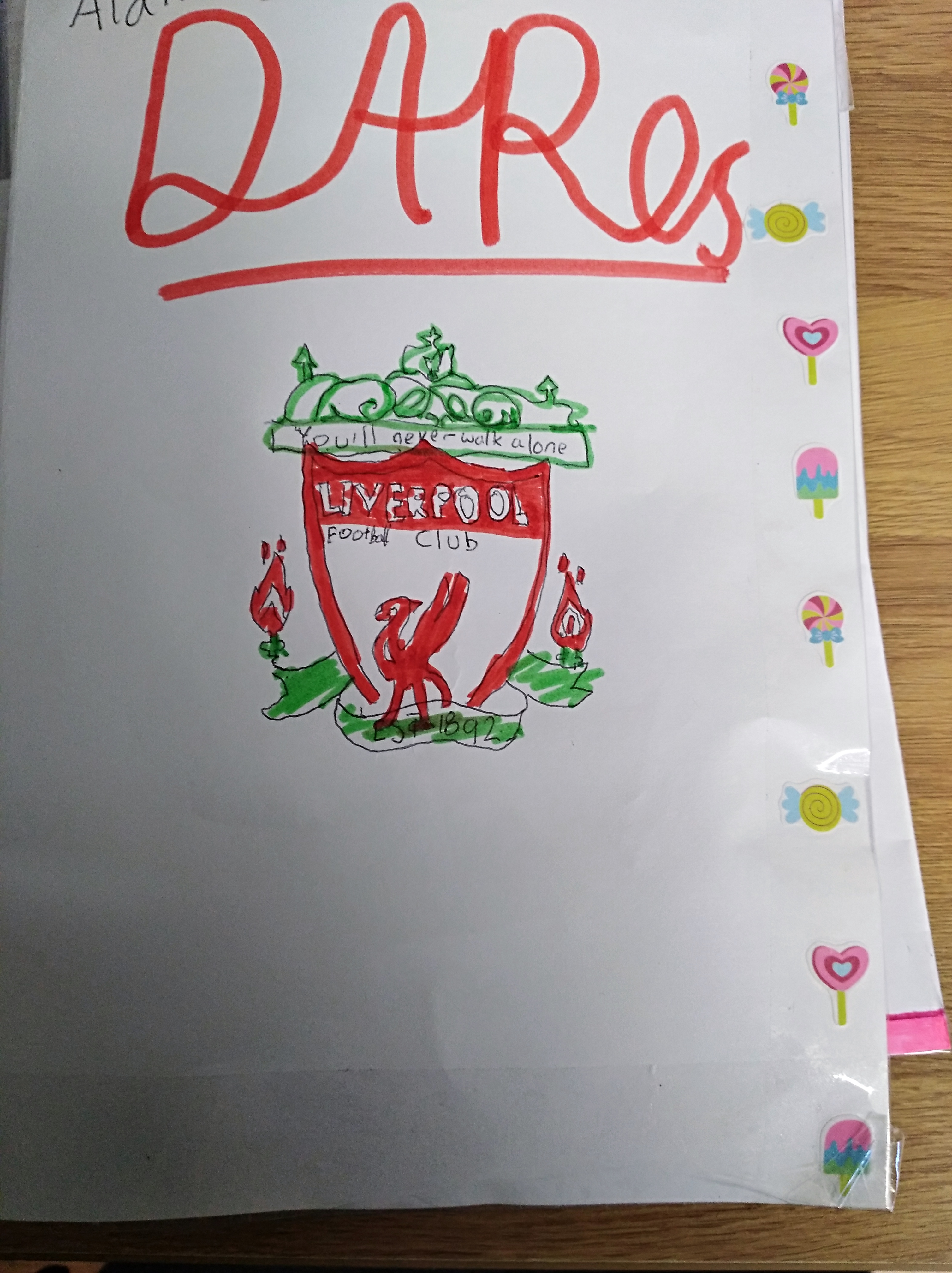
Bransgore C of E School club: These guys were thrilled by the idea of making junk journals and jumped straight into making surprise bags first. We had a really varied selection of bags, including jokes, ideas, writing prompts and even dares! They also helped me put some finishing touches to my own junk journal which I plan to put writing prompts and ideas in, plus the little notes and drawings I often get given! Here are some examples of their surprise bags today.
Wednesday
Wednesday 11 Plus Zoom Club: The older Wednesday group got stuck into news report style stories today, using a selection of picture prompts to inspire ideas. We also discussed epistolary stories and what they involve, giving examples such as Holly Jackson’s Good Girl’s Guide To Murder series, House of Leaves by Mark Z Danielewski and more. We had some wonderful examples from everyone with some very enticing news stories relayed!
Wednesday 8-11 Zoom Club: For some of this group it was their first time discussing epistolary stories and learning how to craft a news report. We shared some top tips, such as creating an eye-catching headline and using clear and concise language. They all did so well! Most chose to use the picture prompts to help them craft a story and one child decided to use her own toys to create exciting news stories from! Well done everyone!
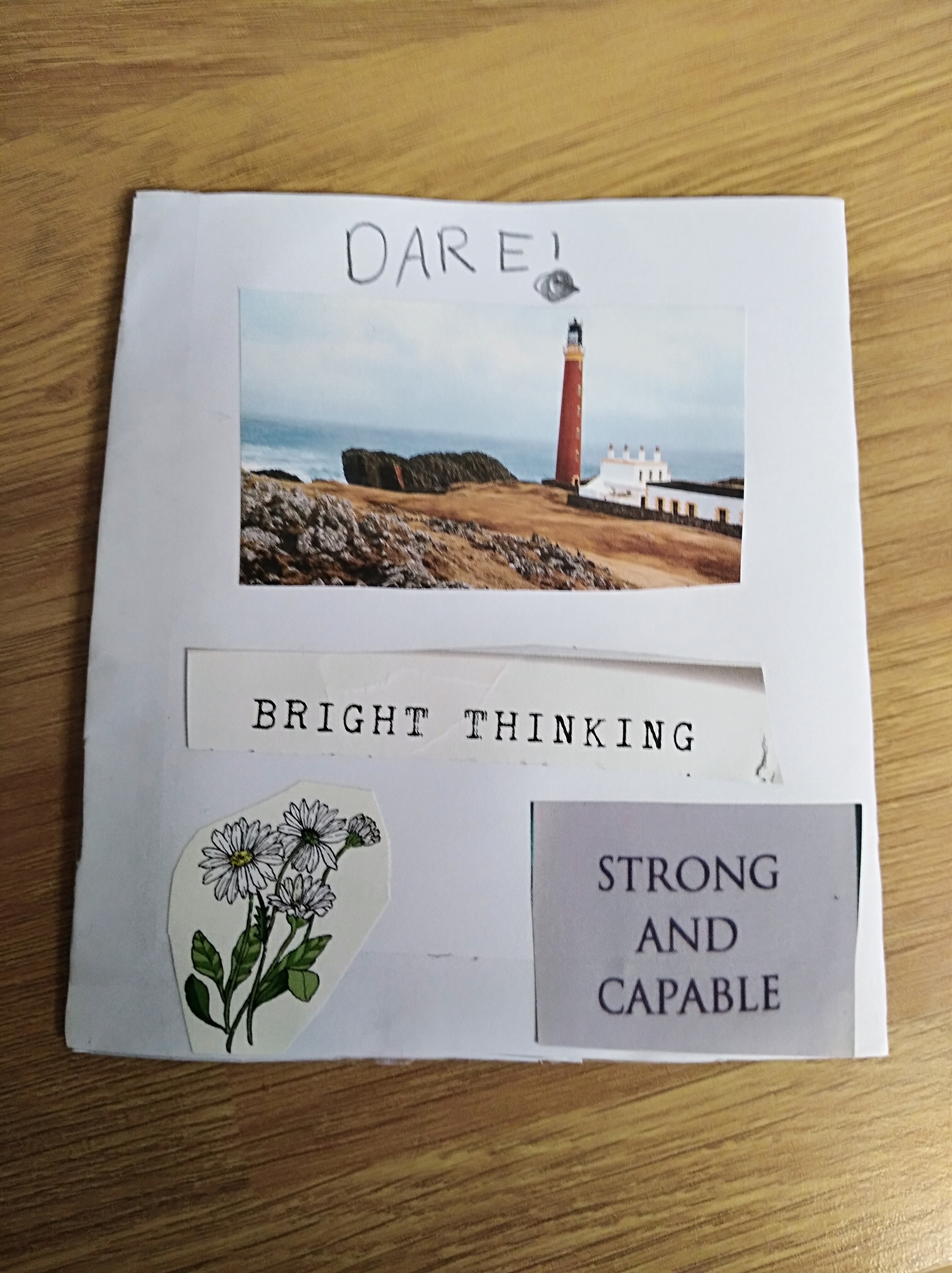
Wednesday CJS Club: These guys were excited to create and decorate their surprise or ‘blind’ bags in preparation for creating junk journals over the next few weeks. Lots of them already knew what a junk journal was and they all fantastic ideas for their bags today, such as dare bags, worry bags, bag to keep stickers in and kindness bags! Here are some examples.
There was once a time when the only way to get your book published and in front of readers, was to get an agent followed by a publishing contract. This option still exists, of course, and is now usually referred to as ‘traditional publishing’. It’s traditional in the sense that the same rules have applied for a long, long time. These days the traditional model is not the only option for aspiring authors and in this blog post we will briefly examine the other options available.
But first – a very brief history of the rise of self-publishing!
1993 the worldwide web becomes accessible to all, opening the doors to self-publishing
1997 Lightning Source, POD company is founded, opening the market up to small presses and indie pubs and inspiring companies such as Ingram Spark and Lulu.
In 1999, blog hosting takes off. Writers use blogs to share their work.
In 2000 Stephen King was the first major author to self-publish a book (The Plant) online in electric instalments.
In 2007 Amazon launches Kindle Direct Publishing, allowing authors to self-publish their books to be read on the Kindle e-reader.
2008/09 crowdfunding platforms like IndieGoGo and Kickstarter make it easier for artists and writers to raise money for projects.
2011 increasing numbers of people own e-readers and companies like BookBaby and Smashwords allow writers to publish and distribute ebooks worldwide.
And since then, things have continued to change and evolve! In fact, it’s pretty hard to keep up and anyone thinking of discussing the subject or offering a workshop or course, would certainly need to do their research again to ensure their information is up to date.
We’ve mentioned self-publishing so let’s examine that first.
Self-Publishing
Many people assume self-publishing simply means uploading a manuscript and book cover to Amazon and pressing ‘publish’. In reality, it’s far more complicated and complex than that, and even self-publishing has more than one option available to you.
Go it alone with Amazon Select
Go with Amazon and other distributors
Go with a publishing platform such as IngramSpark, BookBaby orSmashwords
Pay for a publishing company to edit, format and market your book
All of these options have benefits and drawbacks to them and if self-publishing is the route for you, it’s a good idea to research the various options available before you start. Your final choice might be what suits you and your book or it might be decided by finances as the options have different price tags.
Indie press/small publisher
This option is becoming more popular and is an attractive one to most aspiring authors. Independent presses or small publishers are just that – independent and small. They are more likely to take on unique and original manuscripts and more likely to take a risk on you and your book. Often they are themed, as in some cater purely to crime writers, some to romance and so on. But there are plenty out there who publish books in multiple genres. Usually, you do not need an agent to submit your book to these publishers. There are drawbacks though: they will often require you to have a social media following or author platform on the go and they will certainly ask you to do as much of the ‘marketing’ of your book as possible. They just don’t have the same funds as the big, trad publishers. You’re also unlikely to receive an advance.
Traditional publishing
The model of publishing most people are familiar with. You polish up your manuscript and send it to a multitude of suitable agents. If you are lucky enough to be signed with an agent, it is then the agents job to sell your book to a publisher. If successful, you might receive an advance, but possibly not one as generous as in days gone by. The publisher will do the bulk of the marketing and selling of your book. This is often the preferred or ‘dream’ route for many authors, but it’s important to remember that the big publishers and agents often know what they are looking for and they are looking for what they already know will sell. You might also be waiting many, many years to see your book in print.
Joining other authors to form a publishing ‘name’ or creating your own
This is a more unusual way to get published but it seems to be growing in popularity. In essence, this is self-publishing, but with a slight difference. You can set up your own publishing name, perhaps with similar authors and create a logo and a website. Although your books are still self-published, they have a ‘brand name’ attached to them and possibly a logo. If you are in a collaborative group with other authors you can all help advertise and market the books and this will lead to increased sales. You could have a group newsletter to sign up to, have group giveaways, competitions and appearances and so on. It’s very much a DIY approach and can be a lot of fun for creative people.
So, there you have it. These days, if one door closes on your manuscript, you can be sure that there are still plenty of other doors to try. That doesn’t mean it will be easy – but that is a topic to explore another time!